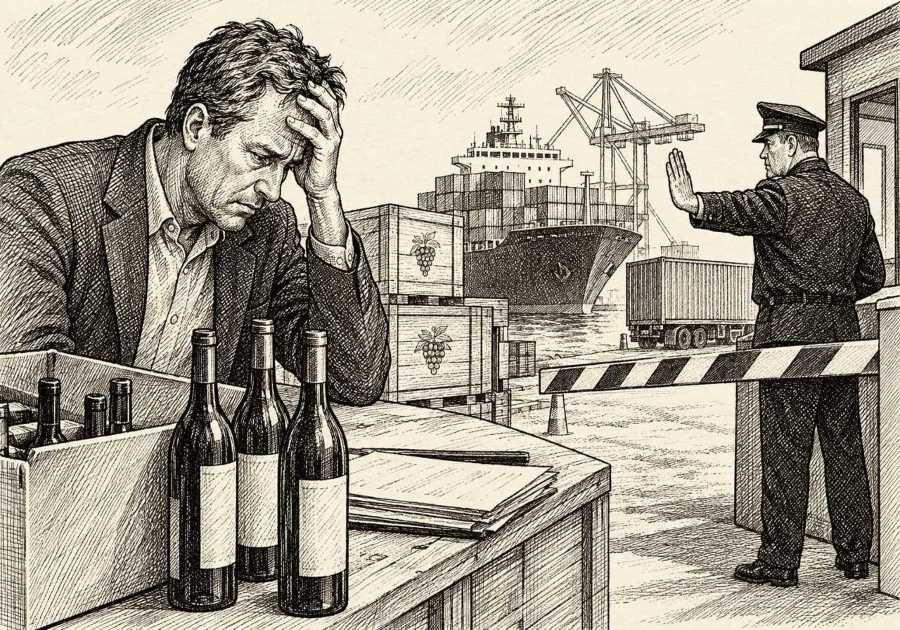
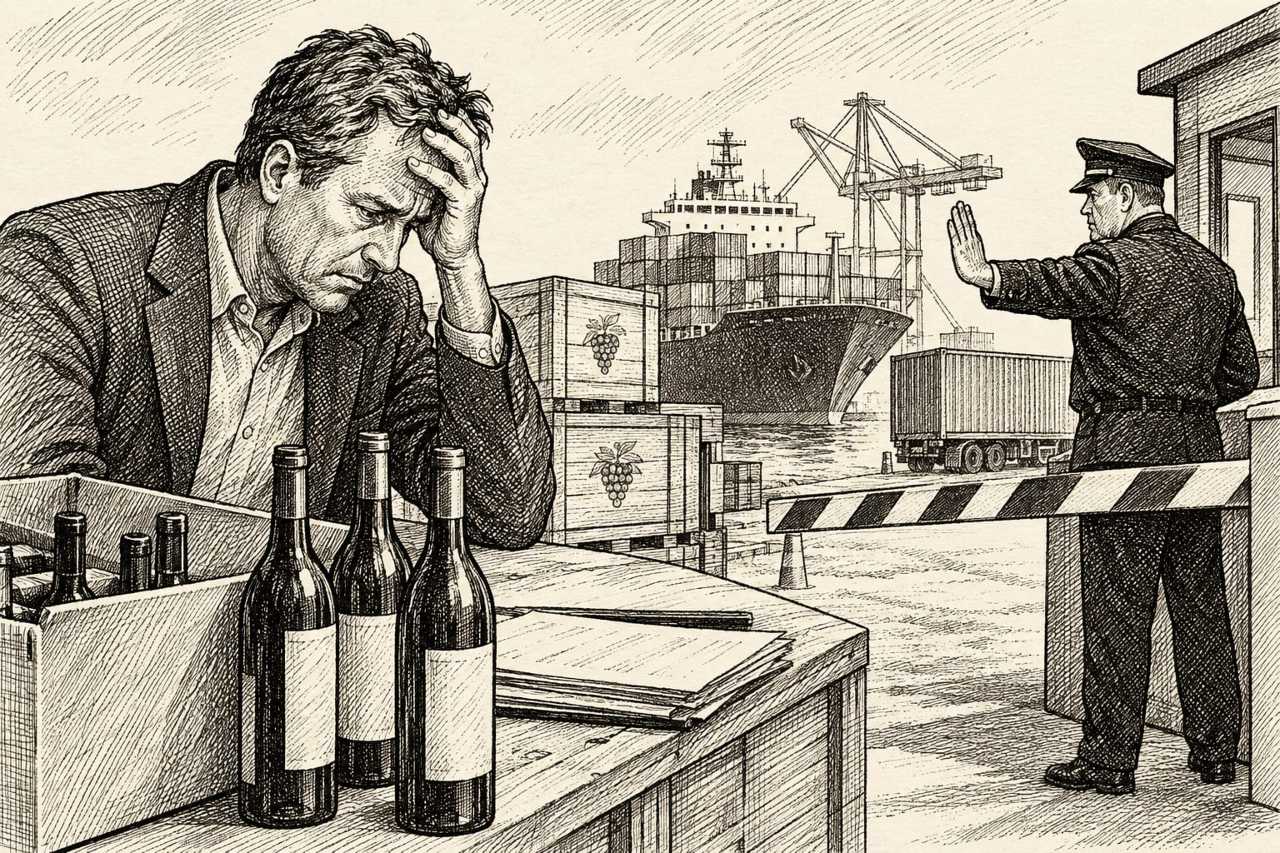
A wine exporter in the United States says new tariffs have ended their export business within a matter of hours, according to a report published by The Drinks Business on October 2026. The exporter, quoted by the trade publication, said: "I lost my entire export business overnight."
The account matters to anyone who works in or buys from the US wine trade. Exporters, importers, distributors and retailers on both sides of the Atlantic depend on predictable trade rules to plan shipments, set prices and sign contracts. A sudden tariff change can turn a profitable shipment into a loss-making one before the goods even leave the warehouse. For wine producers, who often work with perishable stock and long lead times between harvest and sale, a sudden shift in trade policy can be especially damaging.
The Drinks Business report centers on tariffs introduced under the Trump administration, which have reshaped the economics of shipping American wine abroad. Tariffs are taxes charged on goods when they cross a border. When a foreign government imposes a tariff on incoming US wine, or when the US imposes tariffs that trigger retaliation from trading partners, the added cost can fall on the exporter, the importer, or be passed on to the consumer. In many cases, the increase makes US wine too expensive to compete with bottles from France, Italy, Spain, Chile, Australia and other producing countries that face lower or no equivalent tariff.
The exporter's description of losing an entire business "overnight" suggests the change arrived with little warning and left no time to adjust pricing, renegotiate contracts or find alternative markets. For small and mid-sized wine producers, who often lack the financial reserves of larger wine conglomerates, that kind of sudden cost shock can be the difference between staying open and closing down.
Why tariffs hit wine exporters hard
Wine exporting is a business built on long timelines and thin margins. A bottle sold abroad this year may represent grapes picked, fermented and aged years earlier. Contracts with overseas distributors are often negotiated well in advance, sometimes locking in prices before a tariff change is announced. When a tariff is added after those terms are set, the exporter frequently has no way to pass the new cost on to the buyer without breaching the agreement.
Small wineries that rely on export markets to sell inventory beyond what they can move domestically are especially exposed. Unlike large producers with diversified markets and the scale to absorb a temporary cost increase, smaller operations often depend on a handful of overseas buyers. Losing those contracts, even for a short period, can mean unsold wine, cash flow problems and, in some cases, the end of the export side of the business entirely.
The Drinks Business report frames this as part of a broader pattern facing the US wine industry since tariffs tied to the Trump administration took effect. Trade disputes between the United States and trading partners, including the European Union, have repeatedly touched the wine sector in recent years, with both American exporters and European producers caught in rounds of tariffs and retaliatory tariffs. Wine has often been targeted in these disputes because it is a visible, politically symbolic product tied closely to agricultural regions in states and countries with strong trade interests.
Who is affected
The report does not name the exporter quoted, nor does it specify the country or countries involved in the lost business. What is clear from the quote itself is that the impact was immediate and total, at least for this individual's export operations. That kind of loss can ripple outward. Export-dependent wineries often support local economies through jobs in harvesting, bottling, shipping and logistics. When export revenue disappears, those support jobs can be at risk as well.
Buyers overseas are affected too. Importers and retailers who built their business around carrying American wine may need to find replacement products from other countries, or raise prices for consumers if they choose to keep sourcing from the US despite the added tariff cost. Either way, the disruption is not contained to the exporter alone.
A wider pattern in the wine trade
The Drinks Business, a long-running trade publication covering the global drinks industry, has tracked tariff disputes affecting wine for years. Its reporting typically draws on interviews with producers, exporters, trade bodies and analysts who track shipment volumes and pricing across major wine-producing and wine-importing countries. The outlet's focus on this story reflects a recurring theme in its coverage: trade policy decisions made far from a vineyard can have an immediate and sometimes devastating effect on the people who grow grapes and bottle wine for a living.
For readers who follow the drinks trade, this report is a reminder that tariffs are not an abstract policy tool. They translate directly into contracts canceled, inventory left unsold and, in this exporter's case, a business that no longer exists in its previous form. Industry groups representing wine producers in the US have in the past called for exemptions or phased implementation of tariffs affecting the sector, arguing that wine, unlike some manufactured goods, cannot simply be rerouted to new buyers on short notice given the relationships and regulatory approvals required to sell alcohol across borders.
A staff reporter for this site has been following the effects of trade policy on the drinks industry, and will continue to track how tariffs are reshaping the business of making and selling wine in the United States. Getting the details right, and getting them to readers quickly, matters most when a policy change is actively costing people their livelihoods, as this exporter's experience shows.
What happens next
The Drinks Business report does not indicate whether the US government or the exporter's trading partners plan any changes to the tariffs described. It is not yet clear whether the exporter, or others in a similar position, will seek new markets, lobby for policy changes, or wind down their export operations permanently. Industry watchers will be looking for any signs of relief, exemptions or renegotiated trade terms that could restore access to the markets that have been lost. Until then, the exporter's account stands as a direct example of how quickly a tariff decision can change the fortunes of a wine business that depends on selling beyond US borders.
See also our earlier piece: California Vineyard Acreage Shrinks by Nearly 10% in One Year