

Several high-profile buyers have moved to acquire or expand Napa Valley wine properties in recent months, even as the broader wine industry reports widespread financial strain. The deals include Jean-Charles Boisset's late September purchase of Artesa in Carneros, a vineyard expansion by Arborum co-owner Caren Orum in St. Helena, and the March acquisition of the historic Edge Hill estate by Hayes Drumwright.
The investments stand out against a backdrop of bad news across California's wine country. Wineries have struggled to sell grapes, multiple companies have filed for Chapter 11 bankruptcy protection in recent weeks, and some farmers have switched from grapevines to crops such as olives, pistachios and agave. For readers who follow Napa Valley as a wine region and a place to visit, the contrast matters: it suggests some owners and investors still see long-term value in the area even as others pull back.
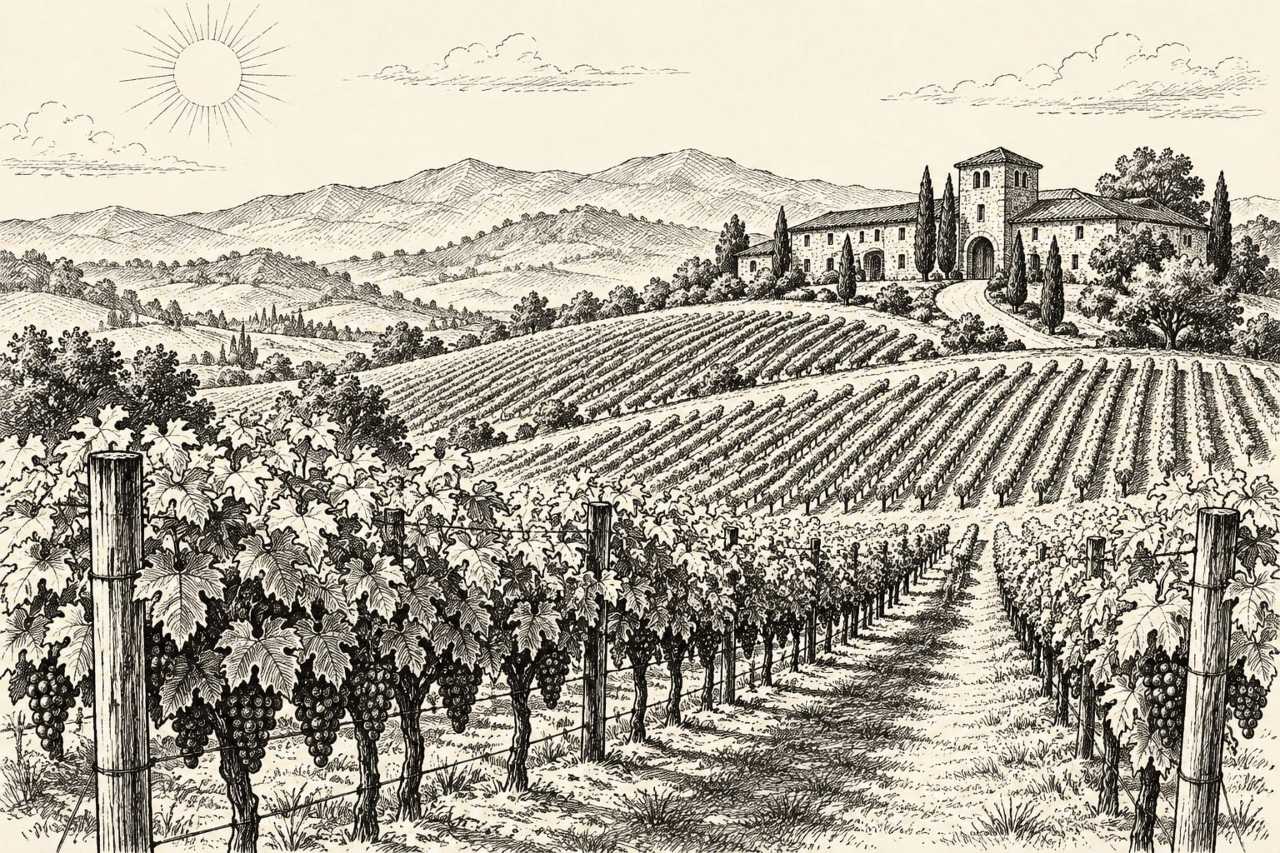
Orum's deal illustrates the split playing out in the valley. She and her husband Nick bought what is now Arborum in 2013 and began searching for additional land last year. They found a 24-acre parcel next door in St. Helena, expanding their estate to 44 contiguous acres. Orum said the timing coincided with a widely read New York Times article in August about growers burning vines due to weak sales, even as she was pulling out vines to prepare for replanting her own land in the spring. "I joked about putting a billboard at our Highway 29 entrance that says, 'Hey New York Times, We're Replanting!'" she said. She called the adjoining parcel a "once-in-a-lifetime opportunity" that will let Arborum produce entirely estate-grown, organically certified and regeneratively farmed wine, qualities she believes will matter to younger wine drinkers.
Boisset's purchase of Artesa, a property he says he considered acquiring for more than a decade, carries similar intentions. Artesa began in 1992 as Codorniu Napa, a sparkling wine venture tied to Spain's Raventós Codorníu family. Boisset plans to continue making cool-climate Chardonnay, Pinot Noir, Cabernet Sauvignon, Albariño and Tempranillo there, while also using the vineyards for new JCB sparkling wines and converting the 350-acre hilltop property, with its pyramid-shaped winery, into an arts center. "Nobody should need a vocabulary of wine to feel that they belong in Napa Valley," Boisset said. He added that his "belief in wine and in Napa Valley extends far beyond the current cycle," while acknowledging that "the industry faces real challenges, and we take them seriously."
Edge Hill, purchased by Hayes Drumwright from vintner Joel Gott, who had previously bought it from the Rudd family, adds another layer to the story. The property, established in 1867, houses the 209th licensed distillery in the United States and is one of the country's oldest three-story gravity-feed wineries. Drumwright closed on the estate in March. He and winemaker Sam Kaplan, who also makes Drumwright's Memento Mori and Vida Valiente brands, plan to replant Rudd's existing field blend of Zinfandel, Petite Sirah and Rhône varieties with Cabernet Sauvignon starting in 2027, with the earliest harvest expected in 2032. The stone building on the property will serve as a tasting room for Vida Valiente until a dedicated winery is finished, and will eventually house a new brand called Ultra Mortem. Drumwright, who has survived cancer three times, said he remains optimistic about Napa's future, citing a new generation of wealthy technology-industry buyers. "The world is going to be very different than anything we have seen in history," he said.
Carlton McCoy, chief executive of Lawrence Wine Estates, which owns Heitz Cellar, Trailside Vineyard, Ink Grade and Haynes Vineyard, pointed to a generational shift already underway. Lawrence recently opened Home Ranch, a private hospitality site at Heitz Cellar that lets guests taste wines from across its portfolio in one visit, a response to visitors booking fewer individual winery appointments. "I feel that we are seeing a big shift in the valley due to the change of generations running the valley and the change in consumer," McCoy said. As a millennial among largely Gen X founders, he said his generation does not need to prove Napa can make great wine. "We don't have as much to prove, but we need to do it our way," he said, describing a focus on "connection and genuine love for this place."
None of the parties quoted indicated a specific timeline for further acquisitions, though Drumwright's Edge Hill replanting and Ultra Mortem brand are expected to develop over the coming years as the vineyard matures toward its 2032 harvest target.
See also our earlier piece: Pennsylvania Commits $2 Million to Boost Growing Wine Industry