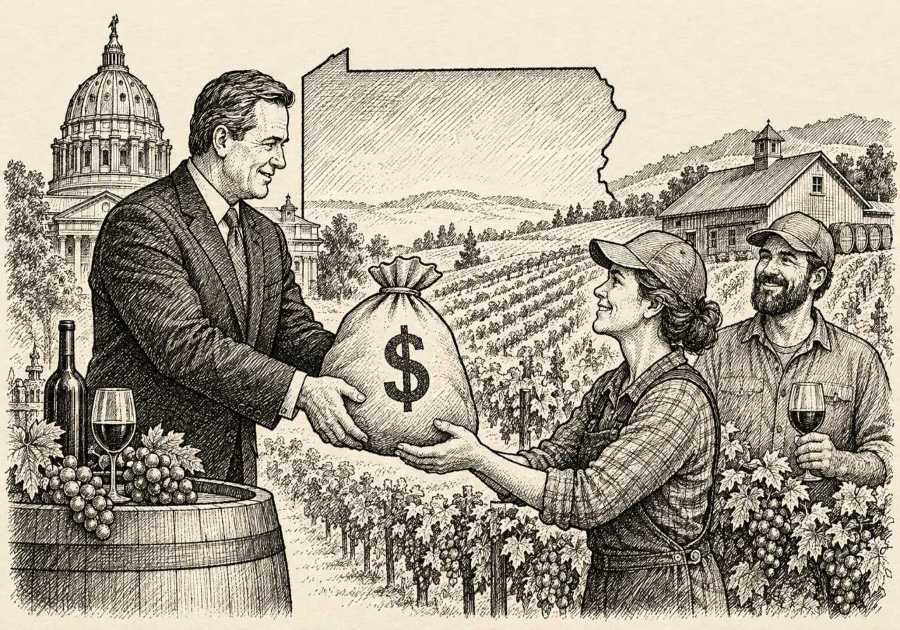
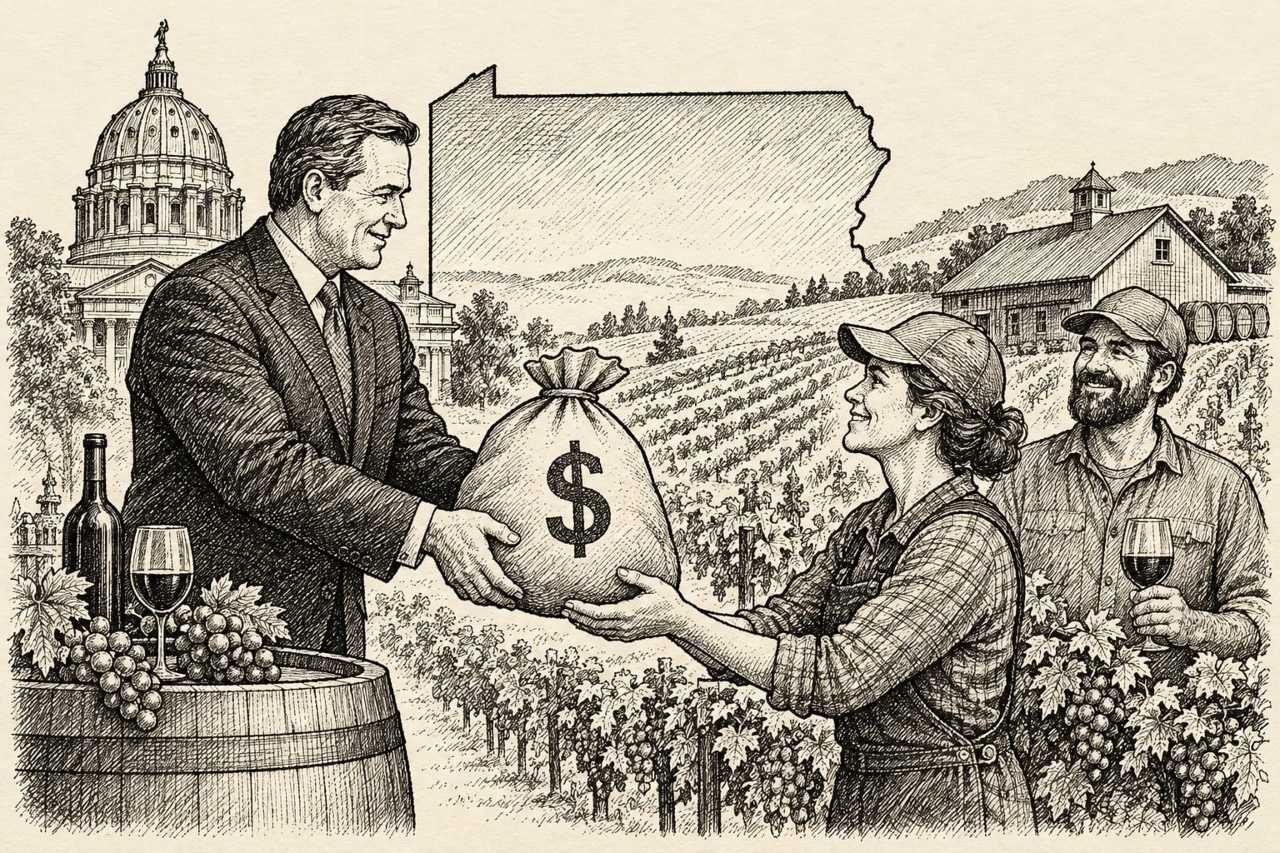
Pennsylvania officials announced a $2 million investment aimed at supporting the state's wine industry, which has been gaining recognition on a national scale. The announcement highlights state efforts to back local vineyards and wineries as the sector expands.
The investment matters to Pennsylvania residents because it signals state support for an industry that touches jobs, tourism and agriculture across the commonwealth. Wineries often serve as anchors for rural economies, drawing visitors to small towns and giving local farmers new markets for grapes and related produce. For wine drinkers and hospitality workers alike, continued growth in this sector can mean more local options, more events and more employment opportunities.
The funding comes as Pennsylvania's wine industry has drawn attention beyond state lines. Wineries in the commonwealth have increasingly appeared in national conversations about quality and innovation, a shift that industry watchers say reflects years of investment in better grape varieties, winemaking techniques and marketing efforts. The $2 million commitment is intended to build on that momentum, though specific details on how the funds will be allocated were not included in the initial announcement.
Pennsylvania has a long history with wine production, dating back to early colonial efforts to grow grapes in the region. In recent decades, the state has seen a steady increase in the number of licensed wineries, spreading from the southeastern counties near Philadelphia to the Lake Erie region in the northwest and into central Pennsylvania's rolling hills. This geographic spread has allowed different wine styles to develop based on local climate and soil conditions, giving the state a varied portfolio that appeals to a range of palates.
State investment in agricultural and tourism-related industries is not new for Pennsylvania, which has previously funneled public money into programs supporting craft beverages, including breweries and distilleries. The wine sector's rise to national prominence appears to be the latest beneficiary of this broader strategy to diversify the state's agricultural economy and attract visitors interested in food and drink tourism.
For PennWatch readers, the story represents a chance to see how state dollars translate into local impact. A staff reporter for this site has been following developments in Pennsylvania's beverage and agricultural sectors, working to verify details as they become available and bring readers accurate, timely information. The reporter emphasized the importance of getting the facts right while the story is still relevant to residents who may see direct effects in their communities, whether through new jobs, expanded wineries or increased tourism traffic.
Industry observers note that investments like this one often take time to show measurable results. Wineries typically need years to plant new vines, establish production capacity or renovate facilities for visitors. That means the effects of the $2 million commitment may not be immediately visible but could shape the industry's trajectory over the coming years.
The announcement did not specify a timeline for when the funds would be distributed or which organizations and wineries would directly benefit. It also remains unclear whether the investment will focus on marketing efforts, infrastructure improvements, research into grape varieties suited to Pennsylvania's climate, or a combination of these areas.
Pennsylvania's wine industry joins other states, such as New York, Virginia and Oregon, in receiving public backing as officials across the country increasingly recognize the economic potential of regional wine production. Supporters argue that such investments pay off through increased tax revenue, job creation and enhanced state branding tied to agricultural tourism.
As the story develops, PennWatch will continue monitoring how the $2 million investment is implemented and which wineries or programs receive funding. Readers can expect follow-up coverage detailing specific allocations once state officials release further information. The newsroom's commitment remains focused on providing accurate updates as Pennsylvania's wine industry continues its rise in national recognition.
No further details on implementation timelines or specific recipient organizations were available at the time of this report.
Earlier in this series: Napa County Loses 65 Winery Licenses as Harvest Results Split Industry