South Florida Reporter published an article this week examining the state of Pinot Noir, the wine grape long nicknamed "the heartbreak grape" for its difficulty to grow. The piece, titled "The Heartbreak Grape at a Crossroads: Why Pinot Noir's Fragile Allure May Price It Out of the Market," looks at the pressures pushing bottle prices higher and what that could mean for the grape's place on store shelves and restaurant lists.
The topic matters to everyday wine buyers because Pinot Noir has grown into one of the most popular red wines in the United States over the past two decades. A shift toward higher prices or scarcer supply would touch casual drinkers who reach for a mid-range bottle as much as collectors who seek out prized vineyard sites. For a staff reporter at this site who tracks food and drink trends for South Florida readers, the story lines up with a broader pattern seen locally: shoppers noticing familiar wines creeping upward in price at grocery stores and restaurants across the region.
Pinot Noir has earned its "heartbreak" nickname because the grape is notoriously hard to farm. Its thin skin makes it vulnerable to rot, disease and sunburn. It buds early in the season, which exposes it to spring frost, and it ripens in a narrow window that growers have to catch just right. Unlike heartier grapes such as Cabernet Sauvignon, Pinot Noir does not tolerate heat well and performs best in cooler climates, including parts of Oregon's Willamette Valley, California's Sonoma Coast and Burgundy in France, where the grape originated.
That sensitivity translates directly into cost. Because Pinot Noir vines produce smaller yields and need more careful attention throughout the growing season, growers and winemakers typically spend more per bottle to bring it to market than they would with more forgiving varieties. Climate volatility adds another layer of risk. Unpredictable frost, heat spikes and wildfire smoke exposure in key growing regions have made harvests less consistent in recent years, according to the report, which adds further strain on supply.
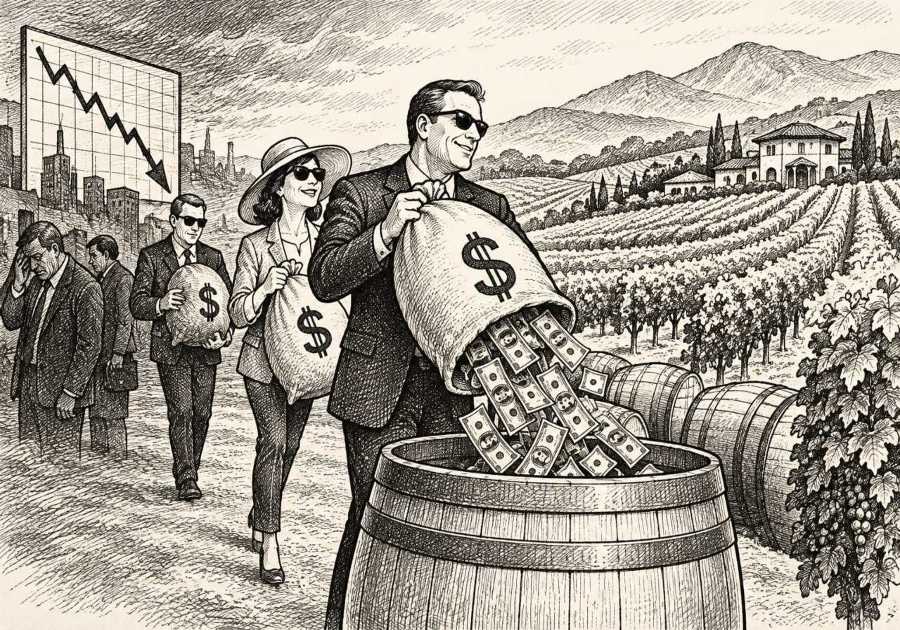
The result, the article notes, is a grape caught between rising demand and rising production costs. Wine lovers have continued to seek out Pinot Noir for its lighter body, bright acidity and food-friendly character, qualities that set it apart from heavier reds. But as vineyard land, labor and climate-related losses push costs up, producers face a choice between absorbing the expense or passing it along to consumers. Either path puts pressure on the grape's accessibility, particularly for entry-level and mid-priced bottles that have historically introduced new drinkers to Pinot Noir.
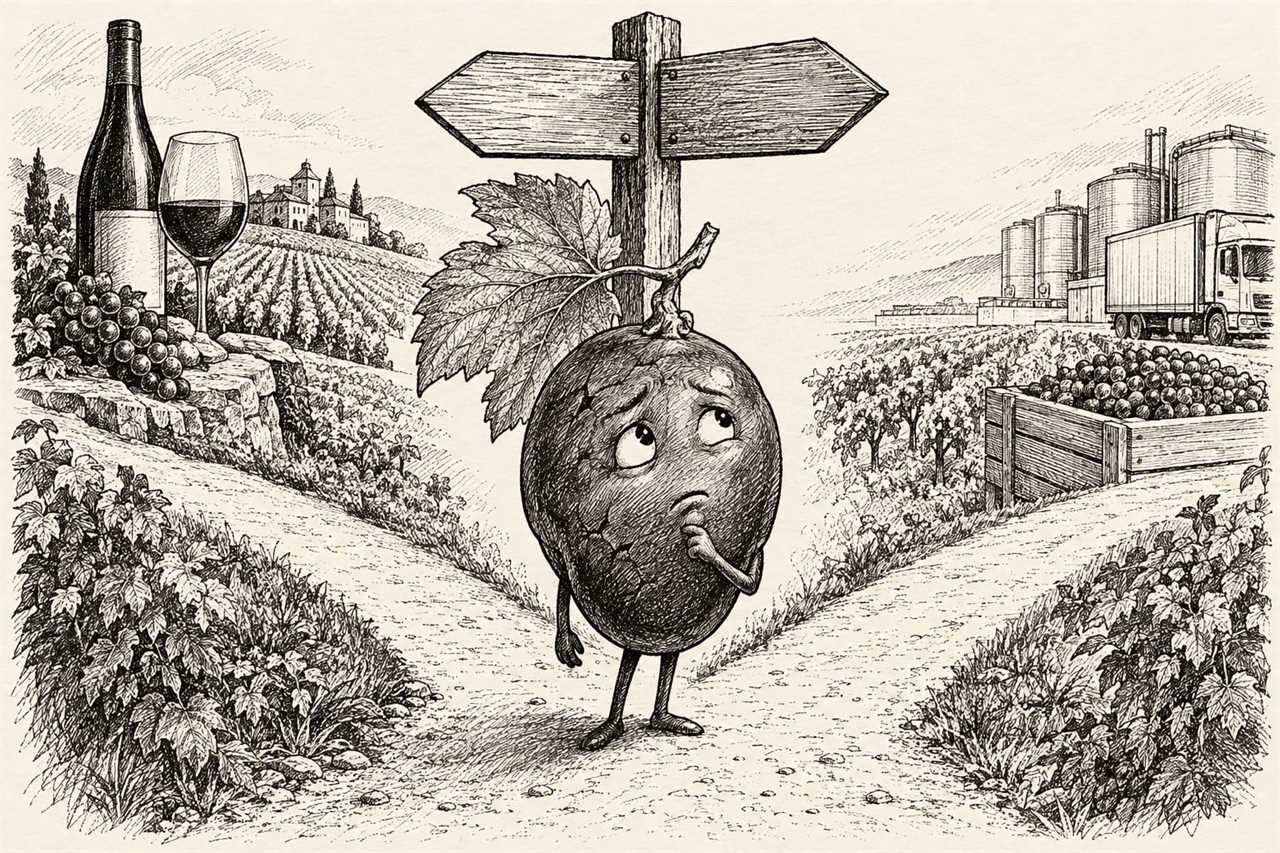
The piece also points to a widening gap between high-end and everyday Pinot Noir. Prestigious vineyard sites in Burgundy and parts of the American West Coast continue to command premium prices, supported by scarcity and reputation. Meanwhile, producers trying to offer affordable versions of the grape face thinner margins, since the same farming challenges apply regardless of price point. That dynamic could squeeze out mid-tier bottles over time, leaving a market split between expensive, collector-oriented wines and cheaper alternatives from easier-to-grow grapes.
For the site's regular readers, many of whom browse South Florida's wine shops, grocery aisles and restaurant lists, the story is a reminder that a favorite varietal's price tag reflects real agricultural pressures rather than arbitrary markups. A staff reporter covering the subject for this outlet emphasized getting the details right before the story reaches readers, given how often wine pricing trends get oversimplified or exaggerated in casual conversation.
The report does not specify a timeline for when price changes might become more noticeable to shoppers, nor does it name particular producers or regions expected to raise prices first. It frames the situation as an ongoing tension rather than a sudden shift, driven by the grape's inherent farming demands colliding with a changing climate and steady consumer demand.
As the growing season continues in key Pinot Noir regions, further harvest reports and pricing data will likely clarify how significant the impact becomes for the 2025 vintage and beyond.
Still catching up? Start with Great Lakes Wine and Others Seek to Buy RNDC's Michigan Business