
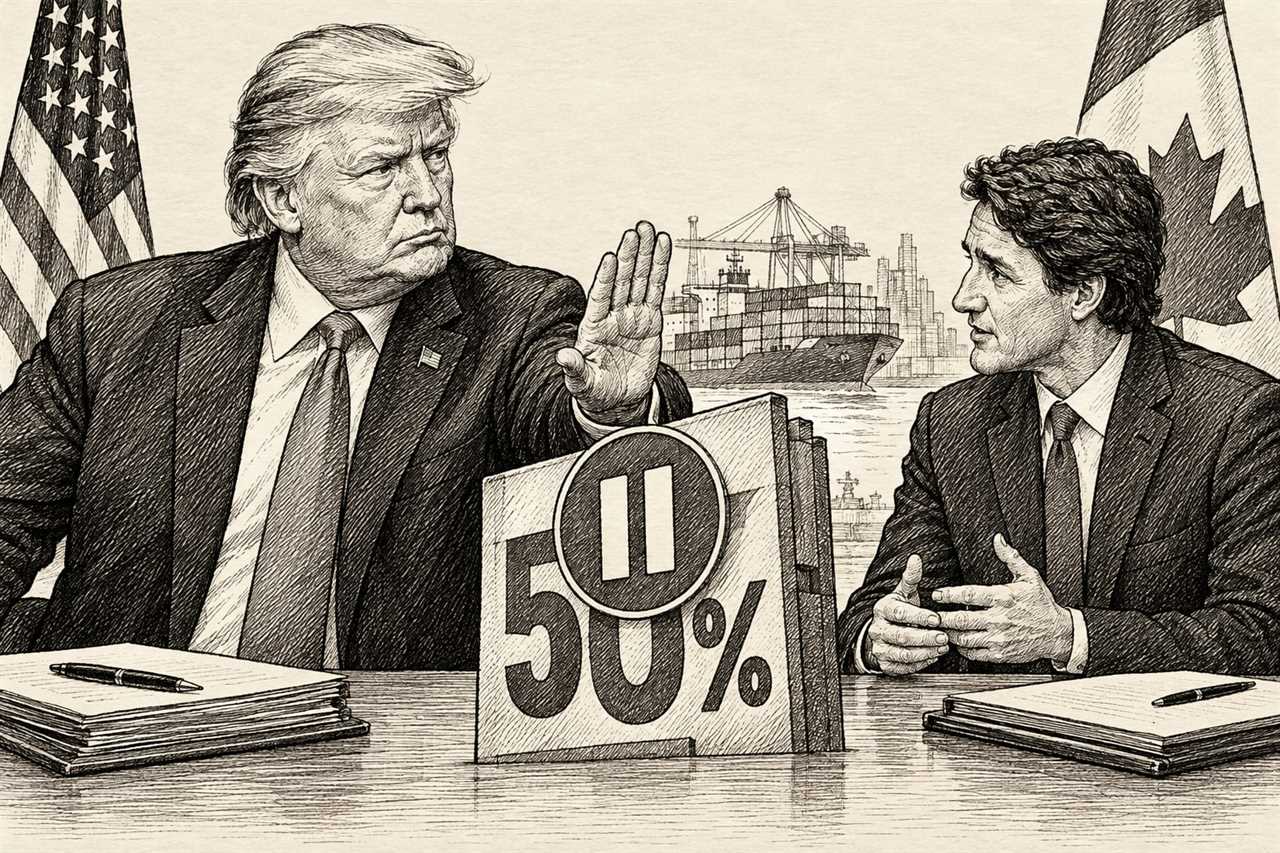
President Donald Trump has paused a planned 50% tariff on Canadian goods, according to EnergyNow.com, as trade negotiations between Washington and Ottawa continue. The pause comes alongside renewed talk of the Keystone XL pipeline, a project that had been shelved for years. The development was reported this week by EnergyNow.com, an energy industry news outlet.
The decision matters to readers on both sides of the border who depend on cross-border trade in energy, agriculture and manufactured goods. Tariffs at the level originally proposed would have raised costs for Canadian exporters and for American businesses and consumers who rely on Canadian products, including oil, gas and electricity. A pause in those tariffs signals that trade talks have moved forward enough for both governments to step back from an immediate economic confrontation.
Keystone XL was first proposed more than a decade ago as a pipeline to carry crude oil from Alberta to refineries in the United States. The project became a symbol of the broader debate over energy policy and pipeline infrastructure, drawn out over multiple presidential administrations before it was ultimately cancelled. Its reappearance in trade discussions suggests that energy infrastructure remains a central bargaining point between the two countries.
For a staff reporter at this site who has followed the Canada-US energy relationship for years, the pause represents a moment worth watching closely. This outlet covers tariff and pipeline developments because they directly affect energy prices, jobs and investment decisions on both sides of the border. Getting the details right, and getting them to readers quickly, matters when policy can shift the economics of energy projects overnight.
Tariffs on this scale, had they taken effect, would have touched a wide range of goods moving between the two countries. Canada is one of the largest trading partners of the United States, and energy products make up a significant share of that trade. Oil, natural gas and electricity flow across the border daily, supporting refineries, utilities and manufacturers in both countries. A 50% tariff would have added costs throughout that supply chain, a burden that companies often pass on to consumers.
The timing of the pause, tied to progress in trade talks, indicates that negotiators from both governments have found enough common ground to avoid an immediate tariff increase. Details of what concessions or terms are under discussion were not included in the available reporting. It is also not clear from current reporting how long the pause will last or whether it is contingent on reaching a broader trade agreement.
Keystone XL's return to the conversation adds another layer to the talks. The pipeline was designed to carry up to 830,000 barrels of oil per day from Alberta's oil sands to Nebraska, where it would connect to existing pipeline infrastructure running to Gulf Coast refineries. Supporters argued it would strengthen North American energy security and create construction jobs. Opponents raised concerns about environmental risks and the project's role in expanding oil sands production. The pipeline's cancellation under a previous administration ended years of legal and political fights over its route and permits.
Why Keystone XL has resurfaced now, specifically in connection with the tariff pause, is not detailed in the available summary. It is possible that energy infrastructure, including pipeline access, is part of the broader trade discussion between the two countries. Oil and gas exports are a major component of Canada's economy, and pipeline capacity affects how much Canadian crude can reach American markets.
Businesses that trade across the border, particularly in the energy sector, will be watching for further announcements. A reinstated tariff threat could still affect planning for companies that import or export oil, gas and related products. Conversely, progress toward a trade deal, paired with any movement on Keystone XL, could open discussion of new pipeline investment after years of uncertainty.
No further details on the status of the trade talks, a timeline for a final agreement, or next steps on Keystone XL were available in current reporting. This site will continue to follow developments as the trade negotiations progress and as more information becomes available on the pipeline's status.
Before this, we covered: Gavin Newsom Discusses His Decades in the Napa Wine Business