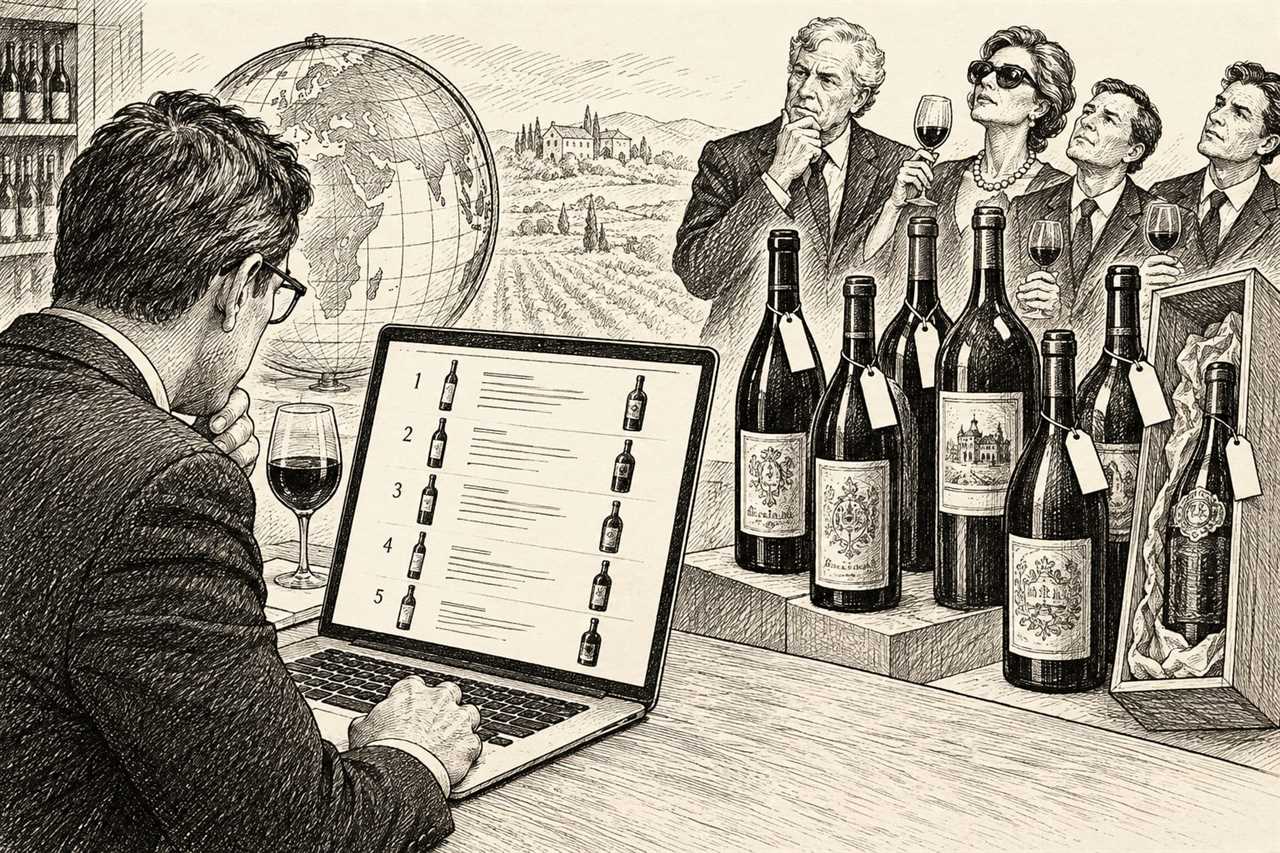
Wine-Searcher, the online wine price and inventory database, published its annual ranking of the world's most expensive wines for 2026. The list tracks bottles that command the highest average prices across the platform's global network of retailers and merchants, which includes listings from wine shops, auction houses and online sellers worldwide.
The ranking matters to collectors, investors and everyday wine drinkers alike because it offers a snapshot of where money is moving in the fine wine market. Prices for rare bottles can signal shifts in demand from regions like Asia, Europe and North America, and they often reflect broader economic trends, vintage quality and scarcity. For readers who follow wine as a hobby or as an asset class, the list serves as a benchmark for how top-tier bottles are valued heading into the new year.
Wine-Searcher compiles its rankings using average prices drawn from its database, which aggregates data from thousands of retailers. The company has published similar lists in past years, and the rankings have typically been dominated by producers from Burgundy, Bordeaux and Champagne, along with a handful of cult wines from California and other regions. Scarcity plays a major role in these valuations. Many of the wines that top such lists are made in extremely limited quantities, sometimes just a few hundred cases or fewer, which pushes prices higher as global demand grows.
The fine wine market has seen notable shifts in recent years. Collectors have increasingly treated certain bottles as long-term investments, holding them in climate-controlled storage rather than opening them. This has added another layer of demand on top of traditional drinking consumption, tightening supply further for wines already produced in small volumes.
A staff reporter for this site has followed the fine wine market closely for its regular readers, many of whom track pricing trends even if they never plan to buy a bottle at the top of the list. The reporter's focus has been on confirming details directly from Wine-Searcher's own data before passing them along, since figures in this space can shift quickly as new vintages enter the market and older ones become scarcer.
Wine-Searcher's methodology typically accounts for currency fluctuations and regional price differences, since the same bottle can sell for different amounts depending on where it is listed. The company has said in the past that its rankings reflect global averages rather than the price at any single retailer, which can make individual listings look different from the overall figure reported.
The release of this list typically draws attention from wine trade publications, auction houses and collectors who use it to gauge market direction. Auction houses in particular watch these rankings closely, since high placement on a list like this can influence bidding at upcoming sales. Retailers also use the data to adjust their own pricing and inventory decisions for sought-after labels.
For casual wine drinkers, the practical impact of the list is limited, since very few consumers will ever purchase bottles at the price points typically involved. Still, the rankings offer a window into a segment of the market that can shape perceptions of value across the wider wine industry. When a particular producer or region appears repeatedly at the top of these lists, it can boost demand and prices for other bottles from the same maker or area, even those sold at far more accessible price points.
Wine-Searcher has not indicated whether it plans to update the rankings further this year or release additional analysis tied to the 2026 list. The company has historically revisited its most expensive wines coverage periodically as new pricing data comes in and as auction results from major sales houses are recorded. Readers interested in how specific bottles or producers performed can expect more detail to emerge as the fine wine trading season continues and as auction results from major houses are reported in the coming months.