Vinography, a wine blog written by Alder Yarrow, published an essay on September 8, 2006, titled "Messages in a Bottle: Appreciating Wine in Context." In the piece, Yarrow argues that wine cannot be fully judged by taste and smell alone. He says understanding grape variety, origin, winemaker history and culture changes how a wine should be evaluated.
For readers who follow wine reviews and scores, the essay raises a basic question: what should a tasting note actually tell you. A staff reporter for this site has followed Yarrow's writing for years and says the piece matters because it challenges how many wine critics communicate with everyday drinkers, not just experts.
Yarrow opens by comparing a first encounter with wine to a child's first exposure to Mozart. He writes that both can seem inaccessible without context, and that understanding grows over time as a person builds a personal library of experience. He says every glass of wine a person drinks adds to that library and shapes how the next glass is judged.
The essay criticizes what Yarrow calls "Sensory Analysts," a term he uses for critics and wine lovers who judge a wine only by its aroma, texture, flavor, acidity, tannin and complexity. He writes, "If you're not outraged, you're not paying attention," describing this narrow approach. He does not dispute that sensory evaluation is the foundation of wine criticism. He writes that it is "essentially true" that sensory analysis sits at the core of judging wine. His objection is to treating it as the only thing that matters.
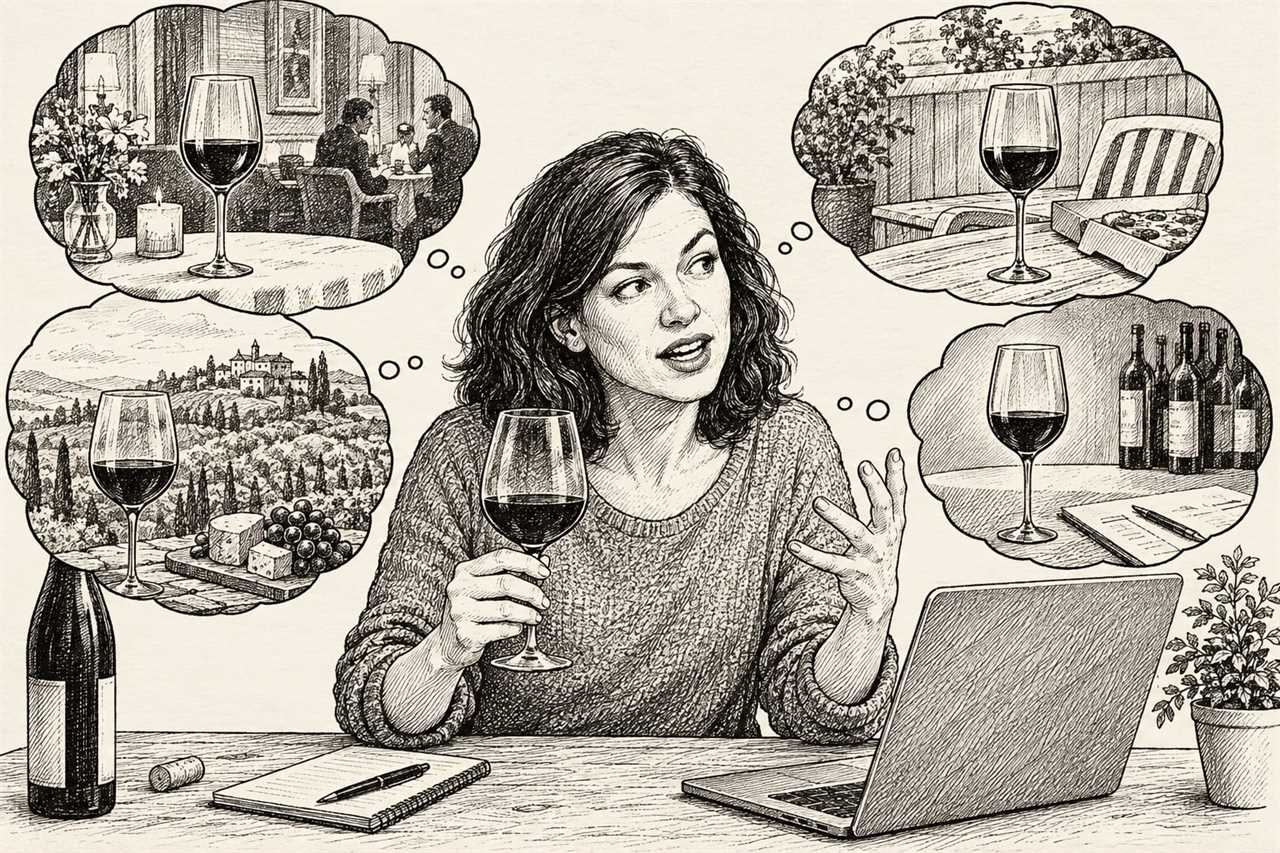
Yarrow lays out several layers of context he says should inform a wine review. The first layer beyond basic tasting is knowledge of grape variety and where it was grown. He says this helps a taster judge whether a wine's flavors are typical for its varietal and whether its sense of place is usual or not.
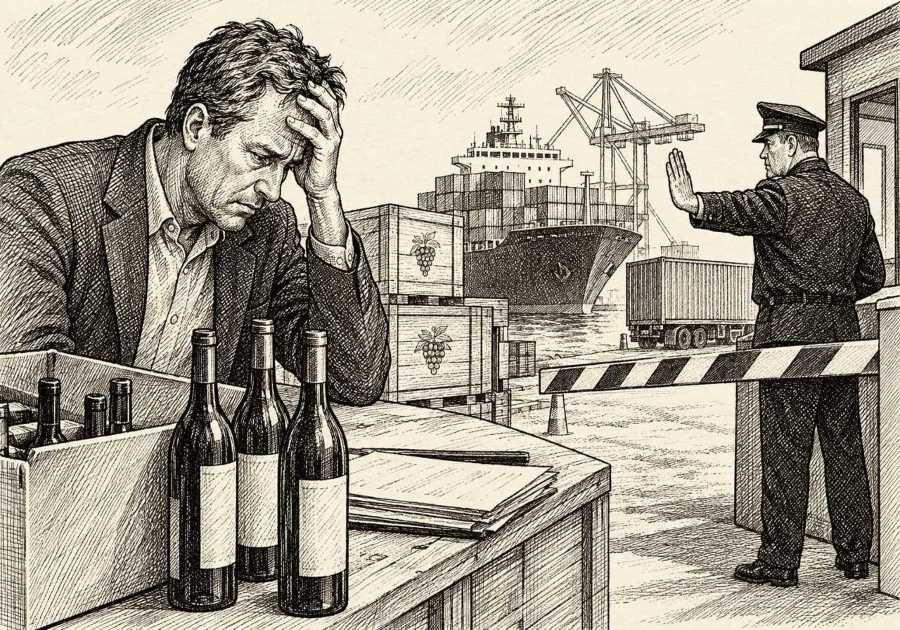
The next layer is human history, according to the essay. Yarrow writes that every wine carries the history of the people who made it, sometimes spanning generations of a winemaking family. He acknowledges that most consumers will never learn this history, but argues that it should matter to anyone serious about wine. He writes that a review without any information about who made a wine and where "is merely a bunch of barely meaningful adjectives and one of those numbers that everyone loves or hates."
Culture forms another layer in Yarrow's argument. He describes wine as tied to history, citing its role as "the drink of kings and pharaohs, the salary of Roman soldiers, the sacrament through the ages." He notes that in regions with winemaking traditions older than four hundred years, the name of a wine and the name of a place are often the same. He uses Pinot Noir from California and Pinot Noir from Beaune in Burgundy as an example, writing that their differences come partly from terroir and partly from cultural traditions and local winemaking rules.
Yarrow also points to traditional food and wine pairings, naming Muscadet with oysters, Chianti with lamb stew and Rioja with tapas. He writes that these pairings were not invented by chance but grew out of specific places and times, before wine became a global product.
The essay's final layer of context is personal. Yarrow writes that many wine drinkers remember a "perfect" wine experience tied to a specific moment, such as a picnic or a shared bottle with someone they loved. He says these personal memories often shape how people judge wine, even though critics are trained to set emotion aside and taste blind. He writes that once a bottle is revealed after a blind tasting, "we fight a losing battle trying to ignore the stories that we know and love about wines."
Yarrow closes by saying sensory description alone is only "a sentence in a much larger tapestry" that includes land, culture, history, food and personal meaning. A note at the end of the piece says a version of the essay first appeared in The Gilded Fork.
The September 2006 essay is part of a recurring "Messages in a Bottle" series on Vinography. The blog lists later entries in the series, including a July 2008 piece on blended wines and a February 2009 piece asking what makes a wine "honest." Vinography has not said whether further entries in the series are planned beyond those already published.