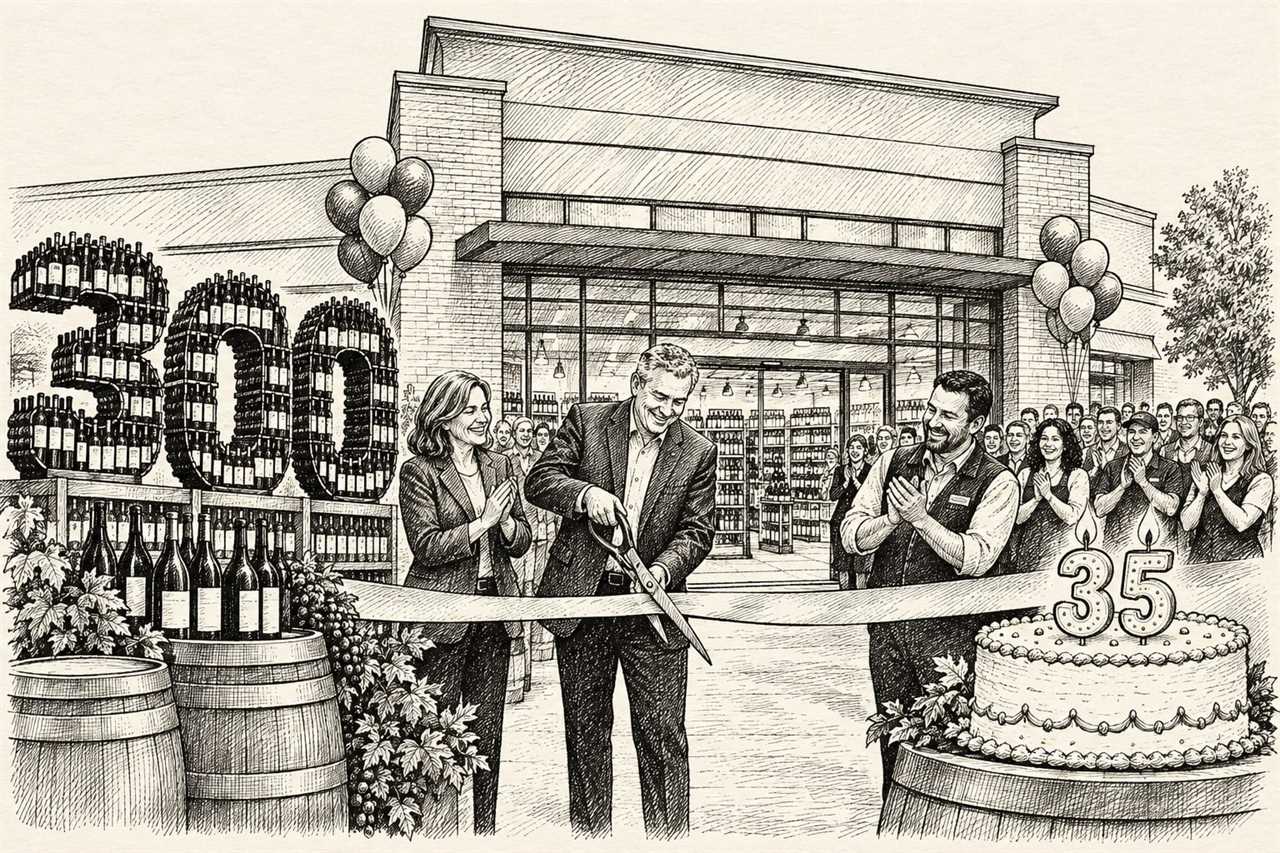
Total Wine & More will open its 300th store on Oct. 1 in Lansing, Michigan. The opening coincides with the company's 35th anniversary. Robert and David Trone founded the business in Delaware in 1991 with a single store. The Maryland-based chain is now the largest privately owned beer, wine and spirits retailer in the United States.
The milestone matters to wine buyers because Total's growth has shaped how and where Americans can purchase wine, and how much they pay for it. The company has built its business around challenging state alcohol laws that limit competition, often arguing those rules raise prices and reduce choice for shoppers.
Reaching 300 stores would not stand out in most retail sectors. Costco operates more than 600 locations. Walmart has more than 4,600. Alcohol retail works differently. The 21st Amendment, which ended Prohibition, handed alcohol regulation to the states, resulting in 50 different sets of rules. Many states cap the number of stores a single company can own. Most require retailers to buy only from wholesalers. Other rules restrict discounts, set minimum prices or limit store hours. These regulations were originally meant to promote temperance and public health, according to the article. Today, many mainly protect specific companies from competition.
David Trone's path into the industry included legal trouble. Before Total existed, he opened a Pittsburgh-area store called Beer and Soda Warehouse. Pennsylvania law barred one person from owning more than one alcohol retailer, so his consulting firm ran additional stores registered under relatives' names. Legal issues followed for both brothers, though the allegations were eventually dropped. The brothers then relocated to Delaware and started the business that became Total.
Over 35 years, the company has focused on expansion. The Trones have compared their model to Whole Foods and Barnes & Noble, opening stores larger than 20,000 square feet that stock more than 8,000 wines along with beer and spirits. Total keeps prices low by buying in large volume and often works with wineries to create exclusive bottlings. Where state law allows, stores also host tastings and wine education classes.
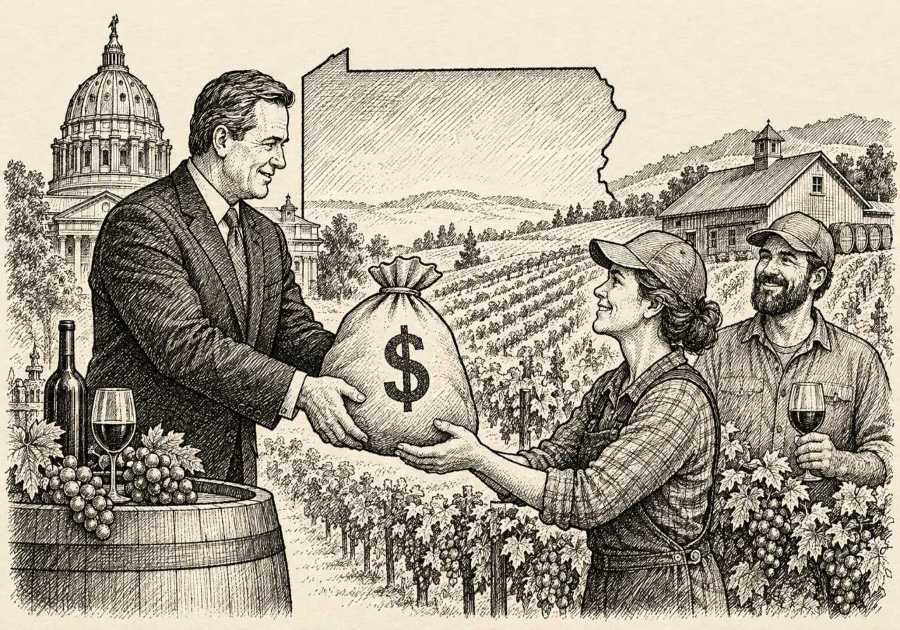
As Total expanded into 30 states, its executives lobbied against limits on store ownership, minimum pricing laws and bans on Sunday alcohol sales. The company was a party in the 2019 Supreme Court case Tennessee Wine and Spirits Retailers Association v. Thomas. The court ruled that Tennessee's requirement that alcohol retailers be state residents was unconstitutional.
The lobbying has produced mixed results. Total still operates only one store in New York state despite repeated attempts to open more. Even so, the company's broader strategy has paid off financially. Shanken News Daily, a trade publication, reports Total's annual revenue exceeds $6 billion.
Competitors have pushed back against Total's pricing tactics and lobbying efforts. Some argue the company frames its growth as pro-consumer while it actually undercuts small retailers. The article notes that the Trones' opposition to regulation has also directly benefited their own business.
The broader question raised is whether alcohol sale laws, many dating to 1933, still make sense as the wine industry faces what the article describes as a severe downturn. It points to New York's rule requiring wine to be sold only in specialized stores, not alongside groceries, as an example of outdated restriction.
This site's staff reporter has been following the wine retail sector closely, aiming to keep readers informed with accurate details on shifting regulations and major industry players like Total. The source article does not indicate what regulatory changes, if any, Total plans to pursue next, or where its 301st store might open.