AGLIANO TERME, Sept 27 — Wine growers in Italy's Piedmont region are reporting one of their best grape harvests in years, even as record summer heat swept the area. At the same time, producers say they are deliberately scaling back output because of a worldwide wine glut, trade friction and shifting drinking habits among younger consumers.
For readers who follow wine markets or travel to the region, the harvest matters because it signals how climate change and economic pressure are reshaping one of Italy's best-known winemaking areas. Piedmont sits between the Alps and the Po Valley and is known for Barbera, one of its most widely produced red wines. What happens there this year could shape prices, exports and vineyard practices going forward.
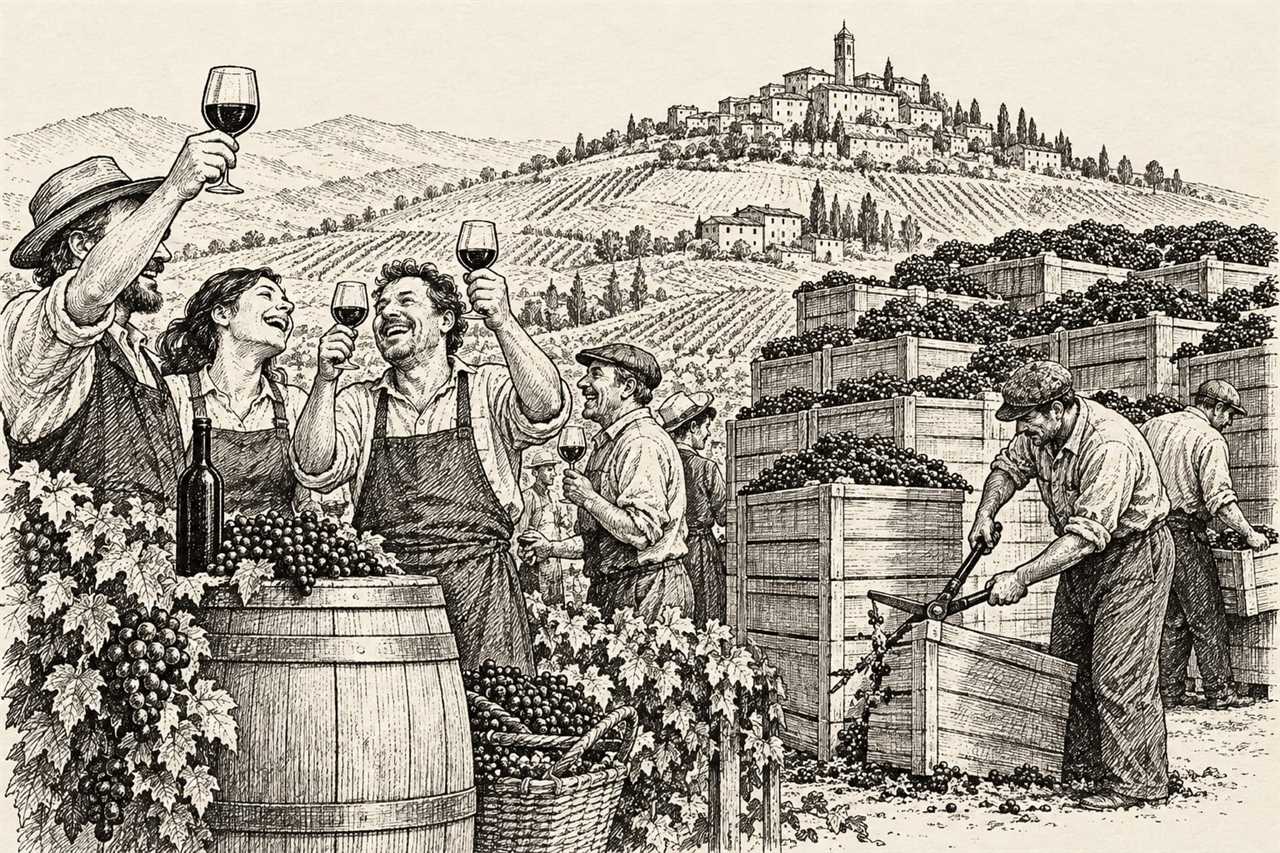
In Agliano Terme, workers spent recent weeks picking the last of this year's Barbera grapes. Filippo Mobrici, 59, head of the Barbera d'Asti Consortium, said harvesting began at the end of July, far earlier than usual. He called the result a "five-star harvest" in both quantity and quality, saying he had never seen a vintage like it.
The summer of 2026 was the hottest on record in the region, with an average temperature of 21.6 degrees Celsius and highs reaching near 40 degrees around Agliano Terme. Mobrici said a rainy winter and early spring allowed the vines to store enough water to withstand the later heat without damage to the grapes. Growers also left extra foliage on the vines this year to shield the fruit from direct sun.
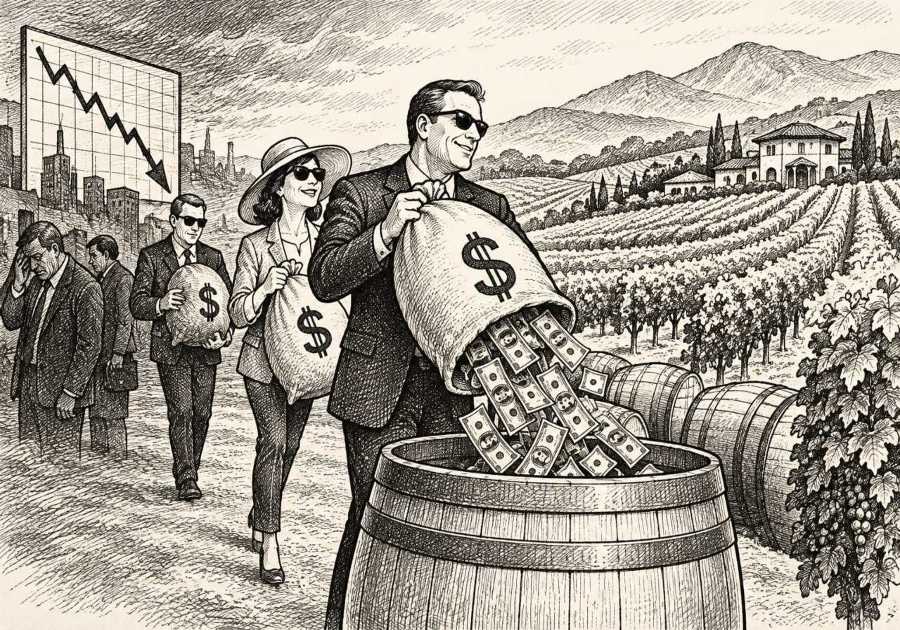
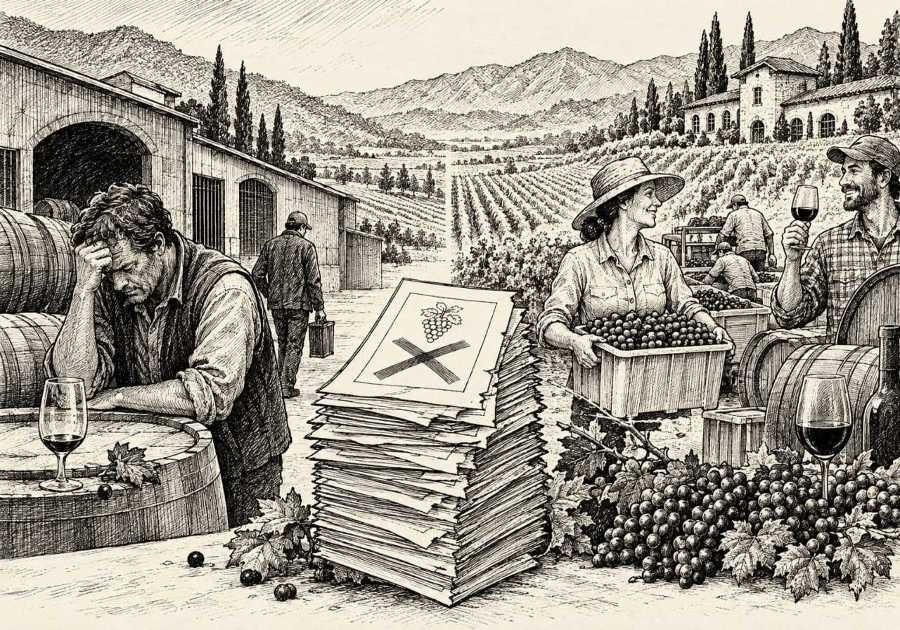
Despite the strong harvest, Piedmont, like other Italian wine regions, has been producing more wine than it can sell. Producers point to wars, United States tariffs and a generational shift toward lower alcohol consumption as reasons demand has slowed. In response, Barbera d'Asti producers decided to cap this year's harvest at 8.5 tonnes per hectare, down from nine tonnes previously.
Growers are also holding back more finished wine from the market. Italy, the world's largest wine producer, saw stockpiles rise 6.9 percent year-on-year as of July, according to official data. Combined, those stocks amount to the equivalent of more than 5.6 billion bottles, nearly a full year's worth of national production. Some Piedmont winemakers have begun diverting part of their grape crop into vinegar production instead of wine.
Italy's Wine Union, known as UIV, has called for growers to plan production based on actual market demand and to halt new vineyard plantings. UIV president Lamberto Frescobaldi, a Tuscan winemaker from a family with 33 generations in the business, said earlier this year that the industry needs to make hard choices, even unpopular ones, including possibly removing old or underperforming vines.
Mobrici rejects that approach for his own region. He said vineyards represent more than a means of production, describing them as an expression of local culture and a core part of preserving the land. He said growers in Agliano Terme do not want to uproot themselves from that tradition.
A short distance south in San Marzano Oliveto, 41-year-old Luca Garberoglio offered a different view of the glut, saying stock levels are manageable within the smaller Barbera d'Asti area. His family's estate, Carussin, has shifted toward organic wine production, with exports going especially to Scandinavian markets, a strategy he said has helped the business move upmarket.
Garberoglio also pointed to a shift in flavor driven by climate change. He said Barbera d'Asti, traditionally known for notes of cherry and plum, is increasingly showing more concentrated aromas of blackberry and blackcurrant.
The source report, from AFP, did not specify when this year's wine will reach store shelves or whether further production limits are planned for coming seasons. A staff reporter for this site continues to track developments in Italian wine production as new figures and statements become available, aiming to bring readers accurate updates while the story remains current.