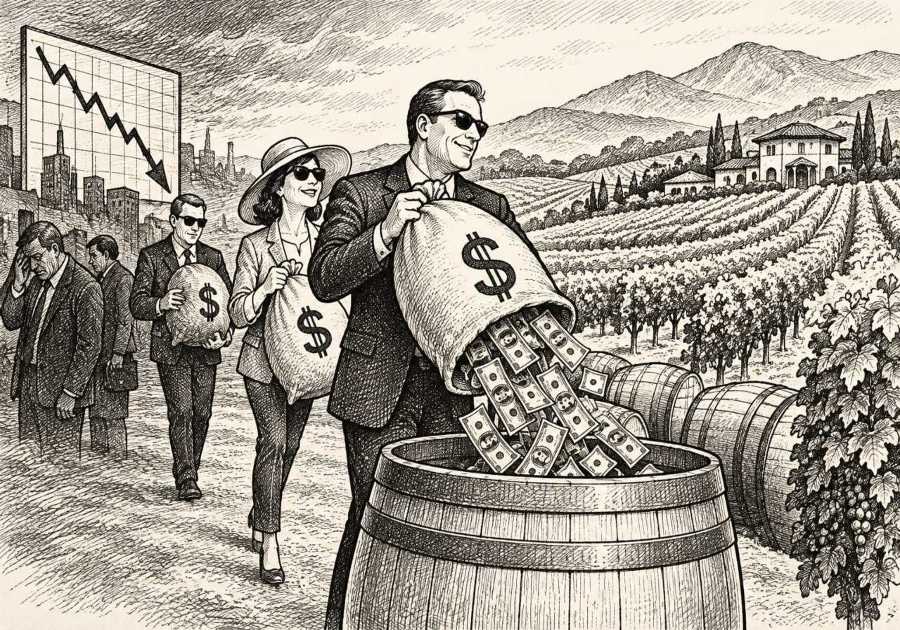
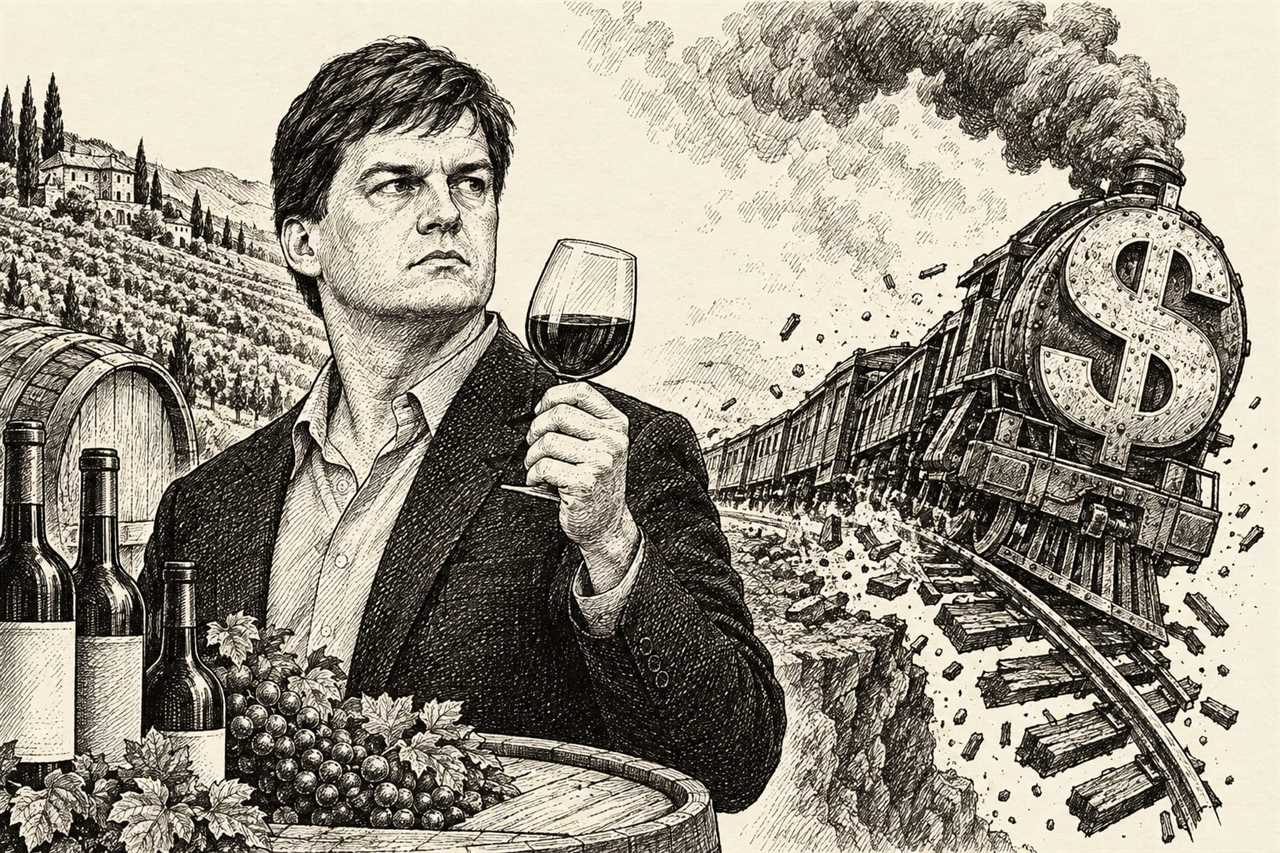
Michael Burry, the investor known for predicting the 2008 housing crash, has issued a new warning about the U.S. dollar. According to Stocktwits, Burry described a potential dollar “train wreck” tied to concerns over AI valuations, quantum computing stocks and rising U.S. debt levels. As part of his response, he has reportedly shifted some investment attention toward fine wine.
The warning matters to everyday investors because Burry has a track record of flagging market risks before they become widely recognized. His public bet against subprime mortgages before the 2008 financial crisis, later depicted in the film and book “The Big Short,” made him a closely watched voice in finance. When he raises concerns about the dollar or broader market conditions, it often prompts renewed scrutiny of assets tied to technology and government debt.
According to the report, Burry’s concerns center on three main areas. The first is the artificial intelligence sector, where stock valuations have climbed sharply as companies race to develop and deploy AI technology. The second is quantum computing, an emerging field that has drawn investor interest despite the technology remaining largely experimental. The third is the scale of U.S. government debt, which has grown in recent years and remains a recurring topic among economists and market analysts.
Burry’s reported use of the phrase “train wreck” to describe the dollar’s trajectory suggests he sees these factors as interconnected. Rising debt levels can affect confidence in a currency, while speculative investment in emerging technologies like AI and quantum computing can create asset bubbles that eventually correct. The combination, in Burry’s view as described by Stocktwits, points to instability ahead for the dollar.
In response, Burry has turned to fine wine as an alternative investment, according to the report. Fine wine has occasionally attracted attention from investors seeking assets that move independently of stock and bond markets. Unlike equities or currencies, wine values are influenced by factors such as vintage quality, scarcity and long-term aging potential, which can make it less correlated to broader economic swings.
This is not the first time Burry has taken unconventional positions or voiced concerns about market conditions before they draw wider attention. His public statements, including social media posts and regulatory filings disclosing his fund’s positions, are closely tracked by traders and financial commentators. Investors often look to his moves as a signal, even when his predictions do not always play out on the timeline he suggests.
The report does not detail the size of Burry’s positions in fine wine or provide specific figures on his AI or quantum computing bets. It also does not specify whether Burry has taken direct short positions against AI or quantum stocks, or if his comments reflect a broader cautionary stance without specific trades disclosed.
A staff reporter for this site has followed Burry’s public statements and filings for years, given his history of flagging market risks ahead of major shifts. The reporter emphasizes that verifying the specifics of any investor’s stated positions matters, particularly when those positions could influence how readers think about their own portfolios. This site aims to relay what is publicly reported without adding speculation beyond what sources confirm.
Market watchers will likely look for additional filings or statements from Burry that could clarify the scope of his current positions. His fund, Scion Asset Management, periodically discloses holdings through regulatory filings, which can offer more detail than public commentary alone. Until such filings are available, the specifics of his fine wine investment and any direct bets against AI or quantum computing stocks remain based on the summary reported by Stocktwits.
For now, Burry’s comments add to a broader conversation among investors about whether AI-related stock valuations have grown too high, whether quantum computing investments are ahead of the technology’s practical development, and how U.S. debt levels might affect the dollar’s strength over time. Readers interested in these sectors may want to watch for further disclosures or statements from Burry in the coming weeks, as well as commentary from other analysts responding to his warning.