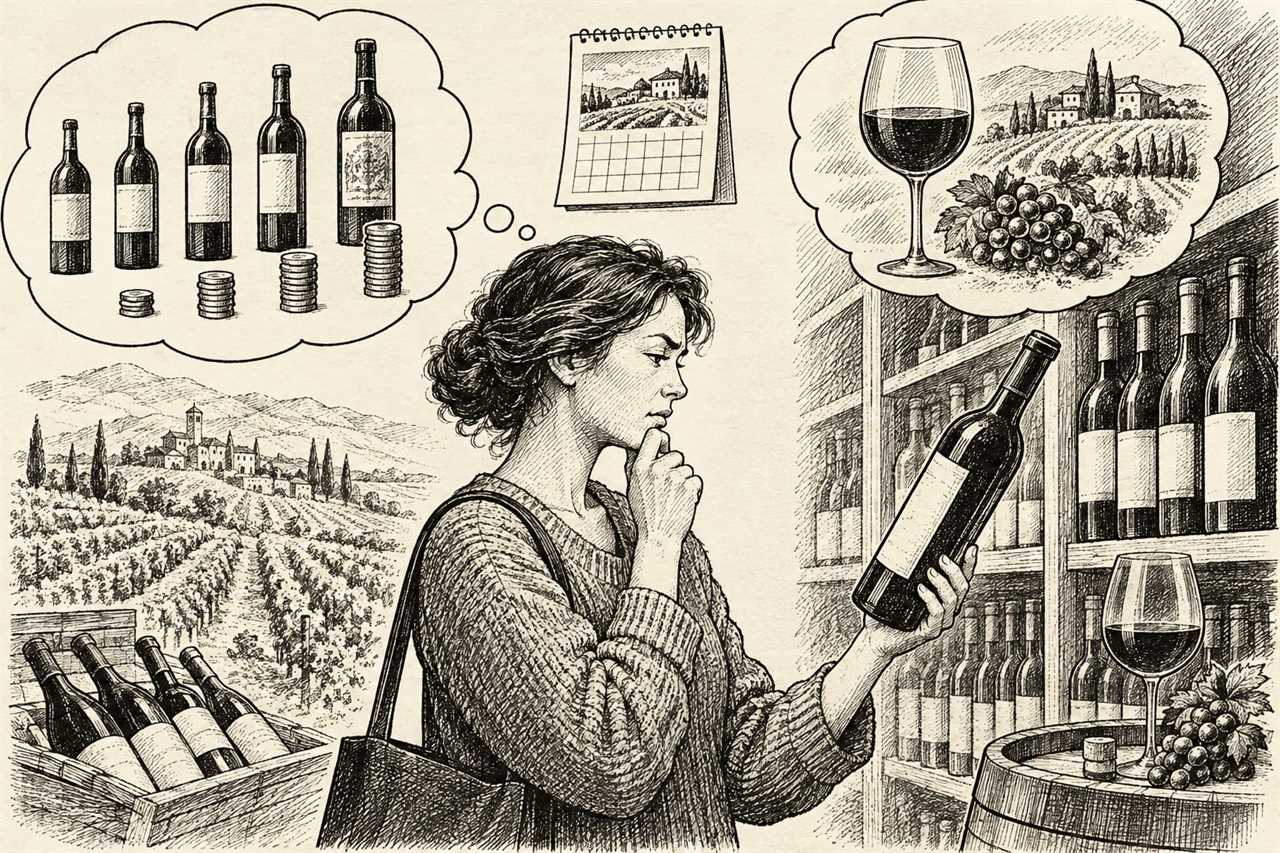
Shoppers looking for a reliable bottle of red wine in 2026 do not need to spend heavily to find quality, according to a report from Tasting Table published this week. The outlet says a good bottle can typically be found once buyers cross the $20 mark, even as grocery prices across the country remain elevated.
The question of how much to spend on wine matters to anyone stocking a kitchen or planning a dinner, especially as household budgets stay tight. Wine has long carried a reputation for being either a costly luxury or a bargain-bin gamble, with shoppers often assuming they must choose between spending heavily or settling for inexpensive brands such as Trader Joe's Charles Shaw. The report pushes back on that idea, saying a solid bottle does not have to break the bank, even though it will likely cost more than a six-pack of beer.
According to Tasting Table, the American wine market has grown crowded with suppliers in recent years, but that oversaturation has not erased the value sweet spot for consumers. The report points to what the wine industry calls the "premium" category, roughly priced between $15 and $25. That label is described as a marketing and industry term rather than a guarantee of quality on its own. Still, the report says this is generally the price range where red wines start to reflect the actual characteristics of the grape or region where they were grown.
Why the $20 mark matters
Wines priced under $15 are not necessarily bad, the report notes, but they carry a higher risk of containing artificial additives or other enhancers used to mask shortcomings. Moving into the $20 to $30 range increases the odds of finding a bottle made with the same level of craft found in pricier options.
The report frames this through the idea of a "value curve." Buyers who move from a bottom-shelf $10 bottle to one priced between $20 and $25 are likely to notice a significant jump in quality, the report says. Another jump in quality can be expected when moving up again to the $40 to $50 range, but that second increase is described as far less noticeable than the first. The point between those two jumps, where the price paid most closely matches the quality gained, is referred to as the peak of the value curve.
Tasting Table states that spending more than $30 can still result in a better bottle, but the improvement tends to slow down relative to the extra cost. For most buyers, the report suggests, the steepest gains in quality happen early, before prices climb into higher tiers.
Price is not only about taste
The report also distinguishes between price driven by taste and price driven by other factors. Rarer grapes, limited production and the reputation of well-known wine regions, such as Burgundy, can push prices higher regardless of whether the flavor difference is noticeable to an average drinker. The report poses the question directly: if someone cannot tell the difference between a Bordeaux and a Burgundy, there is little reason to pay extra for the region's name alone.
More expensive bottles, the report says, often include additional touches such as extended barrel aging. Those details can matter to wine experts or collectors, but may go unnoticed by casual drinkers. According to the report, unless someone is deeply invested in wine as a hobby, they may not personally enjoy a pricier bottle any more than a moderately priced one.
Ultimately, Tasting Table concludes that what counts as a "good" bottle of wine comes down largely to personal taste and preference. The report states that highly discerning drinkers may choose to spend beyond the $20 to $30 range to chase smaller improvements in quality. But for most everyday buyers, spending around $20 is described as more than sufficient to get a wine that performs well.
What this means for shoppers
The report does not name specific brands or wines to buy, nor does it list particular vineyards or vintages. Instead, it offers a general pricing framework meant to help shoppers navigate grocery store and wine shop shelves without overspending. The guidance centers on three rough tiers: bottles under $15, which carry more risk of additives; the $15 to $30 range, where quality tends to rise sharply and where most shoppers are likely to find satisfying options; and bottles above $30 to $50, where quality continues to improve but at a slower pace relative to price.
A staff reporter for this site who covers food and beverage trends for its regular readers said the pricing breakdown reflects a pattern many shoppers have sensed but rarely seen laid out clearly. The reporter noted that getting consumer-facing guidance like this into readers' hands quickly matters, since grocery budgets are being watched closely heading into the new year and shoppers are actively deciding how much to allocate toward everyday purchases like wine.
The report does not provide specific examples of bottles at each price point, nor does it name particular retailers where these price ranges can be found. It also does not address how pricing might vary by wine type beyond red wine, or whether similar guidance would apply to white or sparkling wines. Tasting Table's analysis is presented as general guidance rather than a ranking of specific products.
What happens next
The report does not indicate any upcoming changes to wine pricing trends or additional guidance planned for other wine categories. It frames the $20 price point as a practical baseline for 2026 shoppers navigating a crowded market, while leaving room for personal preference to guide any spending beyond that threshold. No further announcements or follow-up analysis from Tasting Table are mentioned in the report.
See also our earlier piece: Thieves Steal €5m in Wine From Tuscan Winery Antinori