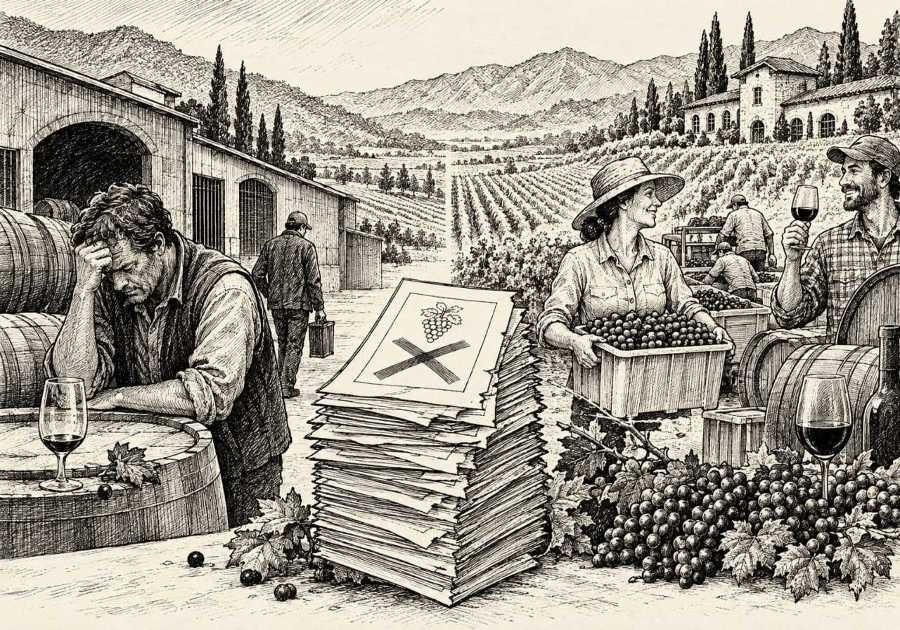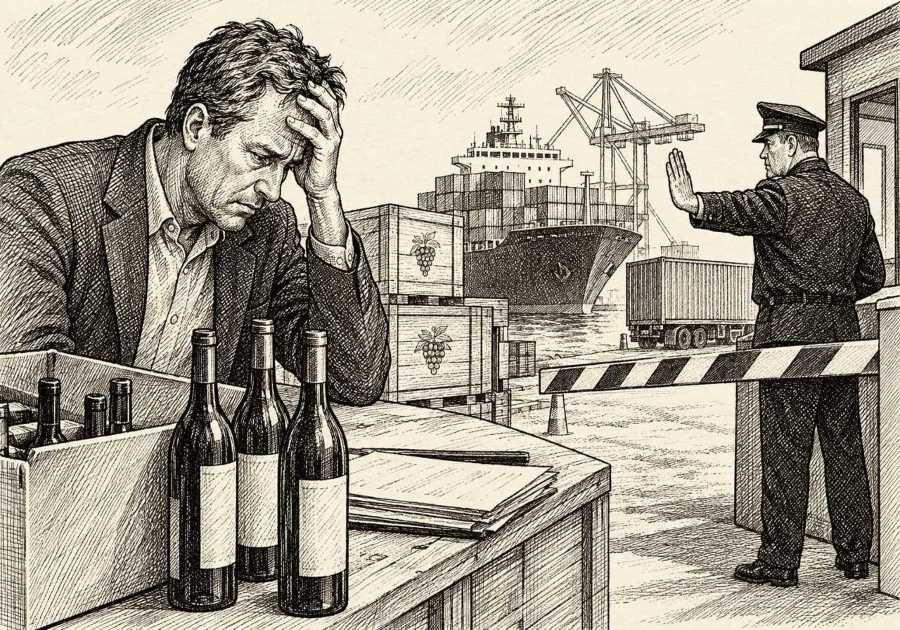
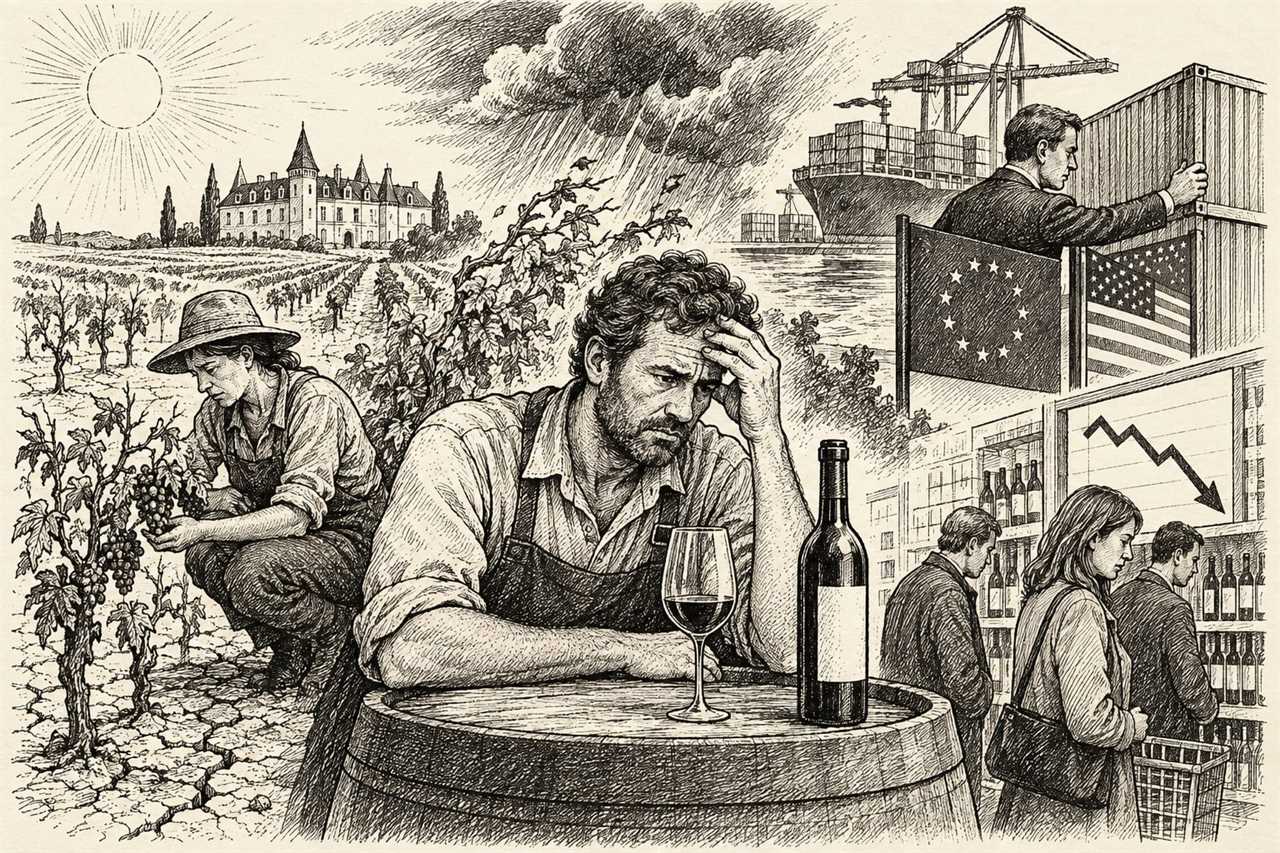
In the vineyards north of Bordeaux in southwestern France, growers are pulling up vines and abandoning plots after a summer of drought, record heat and weak sales. Guillaume Duluc, an eighth-generation cognac and wine producer near Bordeaux, said his family lost roughly half its crop this year to extreme weather, the hottest season on record for France and much of Europe.
The situation matters beyond France's borders. Bordeaux supplies some of the world's best-known wine and cognac brands, and the pressures on its growers point to broader changes in how wine is produced and sold worldwide. A staff reporter for this site has been following the shifts in global wine markets for readers who track the industry, aiming to get the facts straight while the story is still unfolding.
Duluc, 38, runs a farm with 90 hectares of vines, 20 fermentation vats and a copper distillation system, work his family has done since the French Revolution. He said the farm's cognac goes mostly to major buyers, Rémy Martin and Hennessy, who have not raised their prices even as fuel and supply costs have doubled in two years. The family has a reserve of cognac to fall back on, but Duluc said continued bad summers could threaten that cushion. "It's just the beginning of the crisis," he said. "But the crisis, I think, will stay a long time."
French agriculture officials expect this year's grape harvest to be among the lowest in 30 years. Overall wine production in the country is forecast to come in 60 per cent below its 1979 peak. At Domaine de Chevalier, owner Olivier Bernard said his crew finished harvesting 200 hectares by September 17, the earliest date in the estate's history. "We never imagined to finish our Cabernet Sauvignon by the 17th of September," he said.
Bernard said the heat is forcing him to reconsider long-held methods. Growers in the region have traditionally planted small vines with few leaves so grapes get maximum sun, relying on loose soil that lets roots dig deep for water. Bernard said he now plans to grow fewer, larger plants with bigger leaves to shade the fruit, since deep roots alone cannot carry vines through prolonged drought. He also said regional resistance to irrigation may have to end. "Five years ago I will tell you, 'Irrigation is not necessary in Bordeaux,'" he said. "Today I say we have to be ready for that." Smaller grapes also mean more skin and tannin relative to juice, which he said requires more careful blending to keep wines balanced.
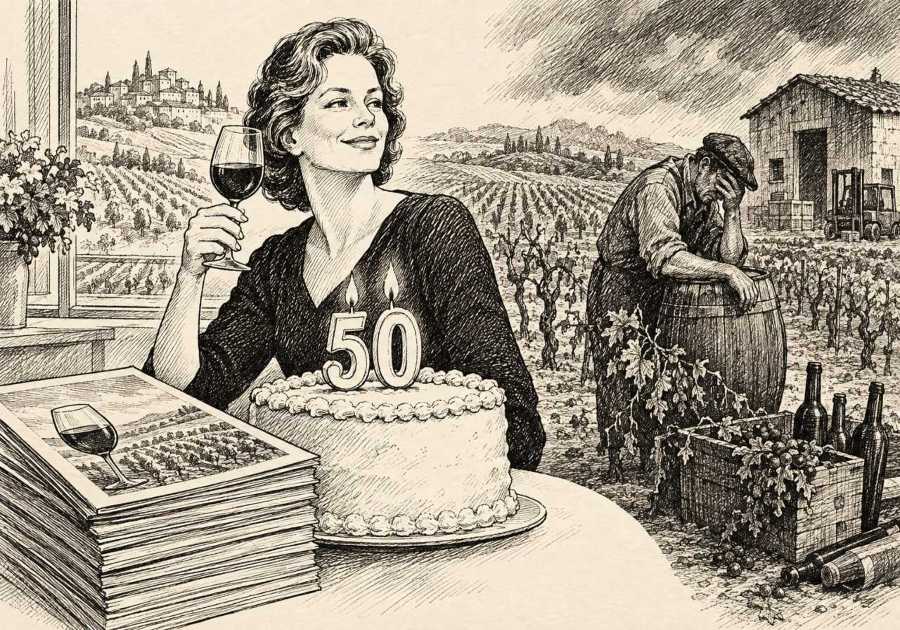
Demand is falling at the same time. The International Organisation of Vine and Wine reports wine consumption has dropped 14 per cent since 2018. In France, per-adult consumption has fallen from more than 100 litres a year in 1960 to under 20 litres today. Manbeen Riar, a 35-year-old Canadian visiting Bordeaux on a wine-tasting trip, said many people she knows have simply stopped drinking alcohol.
At Chateau Lestrille, an organic winery near Saint-Émilion, owner Estelle Roumage said her family's output has averaged 65 per cent of its usual 150,000 bottles a year over the past seven years. She said reds have struggled more than whites and rosés. "You need to adapt to the climate. You need to adapt to the market," she said. Roumage said she has watched younger neighbors give up on winemaking altogether. "It's heartbreaking to see someone, especially young people who 10 years ago were full of energy and hope, and they are now feeling like 'No, I can't do this. It's not viable,'" she said.
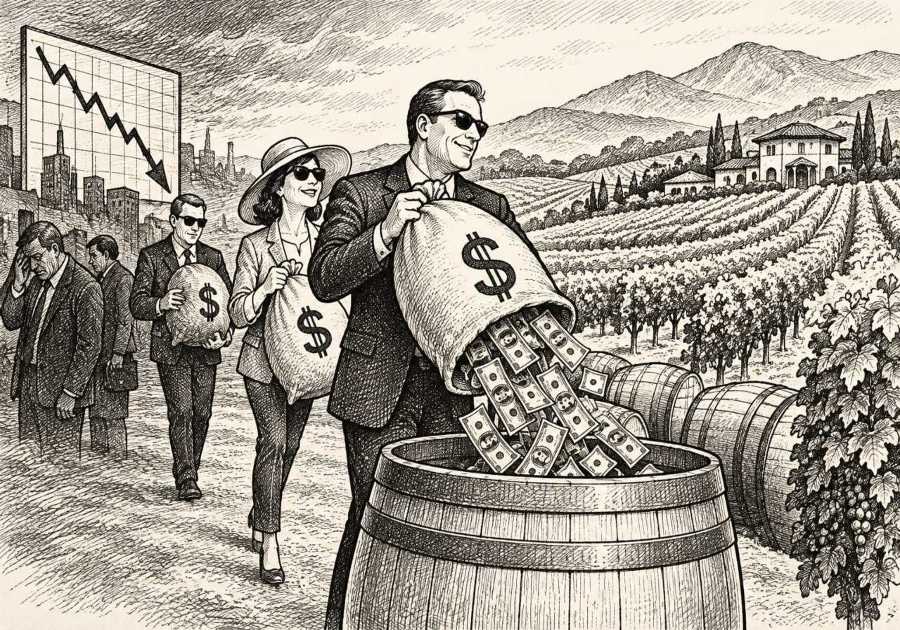
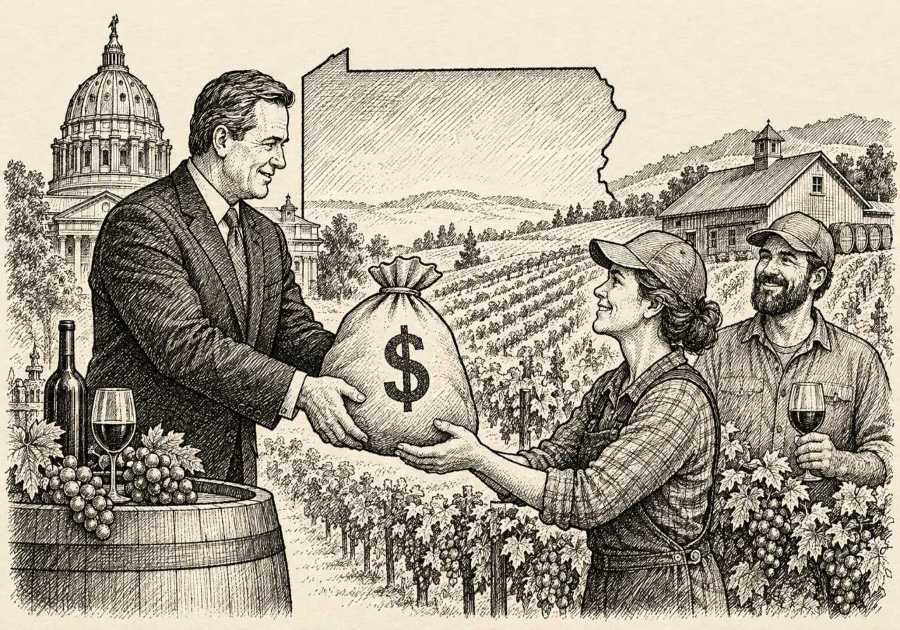
The French government has responded with a buyout program, paying growers 4,000 euros per hectare to remove vines and reduce supply. About 28,000 hectares, close to 30 per cent of Bordeaux's total wine acreage, are being taken out of production under the plan.
Not every grower is following the same path. David Stannard, a British-born chemical engineer who runs a one-hectare vineyard called Paradise Rescued near Cardan, avoids tractors and chemical treatments, relying instead on neighbors to harvest by hand and homemade sprays made from weeds such as horsetail. Even so, his output is shrinking; he once produced 2,500 bottles a year and expects far fewer this season. "This summer has extremely highlighted what probably is going to become a new norm," he said. He said he wonders whether the changing climate is a warning. "I can't help wondering whether nature is just giving back to us a message about what we're doing," he said, adding that the message "is going to keep ratcheting up until it either burns the skin off us, or we take some action."
Growers interviewed did not say when conditions might improve, but officials' vine-removal program and growing openness to irrigation suggest the region is preparing for further hot, dry seasons rather than a quick return to past conditions.