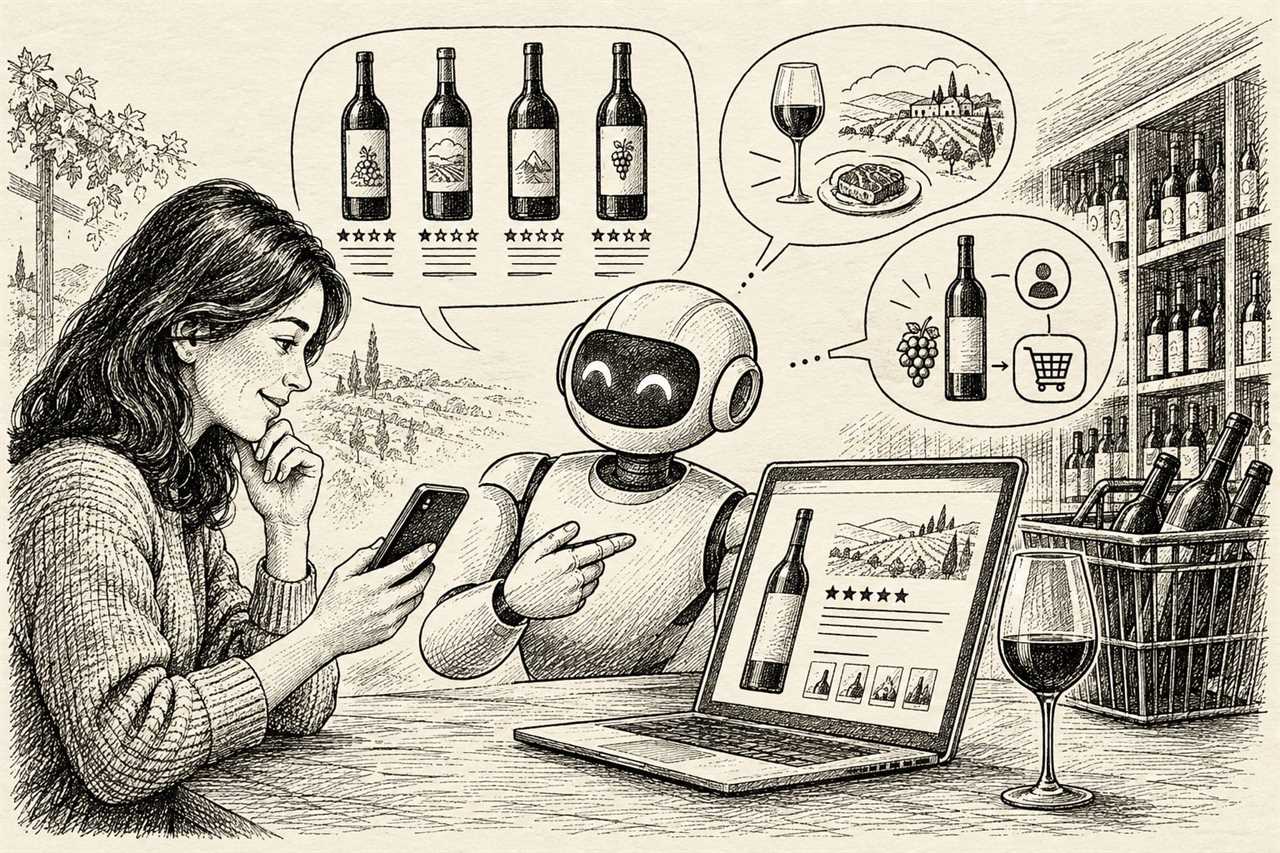
Wine retailers are using artificial intelligence to help shoppers choose bottles as overall wine consumption falls and premium sales rise, according to a contributed article published by Food & Beverage Outlook. Matt Ovenden, founder of The Wine Engine, wrote the piece describing changes at his company and across the wine market.
The trend matters to consumers because it changes how they find wine that suits their taste, often without needing expert knowledge themselves. It also matters to retailers and producers watching a market where people buy less wine overall but spend more per bottle.
According to Ovenden, The Wine Engine has seen sales grow by 350% over the past six months, while customer numbers rose by 260% in the same period. He said repeat purchasing is also increasing, which he takes as a sign that customers want a better way to discover and buy wine, not just a bottle.
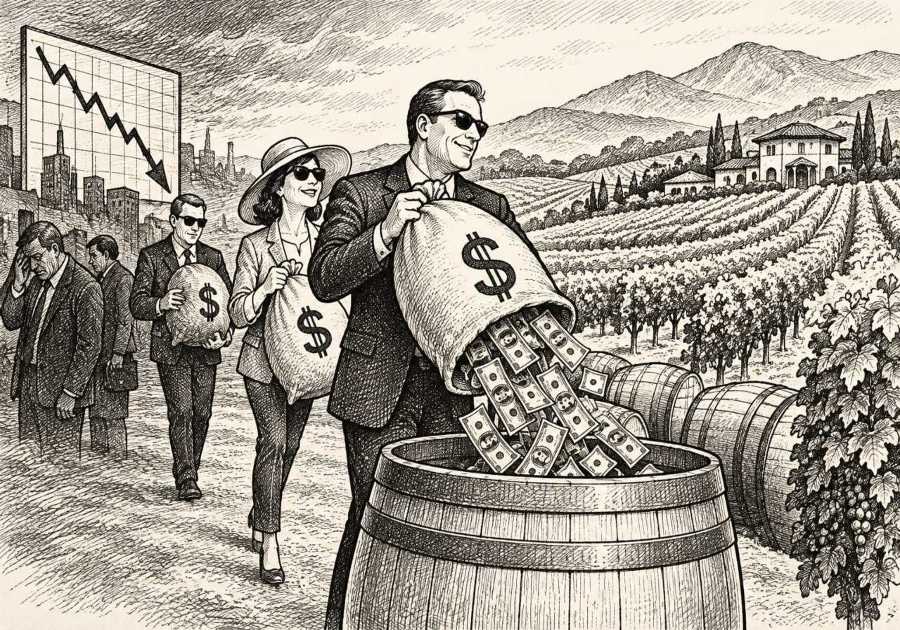
Ovenden pointed to data from WineGuide101's 2026 Global Wine Industry Trends and Outlook Report. That report found global wine consumption volumes fell by about 3% in 2024, while total market value rose by roughly 1%. Lower-priced, mass-market wine has declined, while premium wine has held up better, the report found.
The central idea in Ovenden's article is that consumers are drinking less wine but choosing more carefully. He wrote that this is not only about spending more money. It is about shoppers becoming more selective and more engaged with what they buy.
Ovenden described how wine retail has traditionally required customers to sort through a large number of bottles, regions, grape varieties and price points largely on their own. He said that model is shifting as shoppers become used to services like Netflix, Spotify and Amazon that learn their preferences and adjust accordingly. He argued wine retail should offer the same kind of personalization.
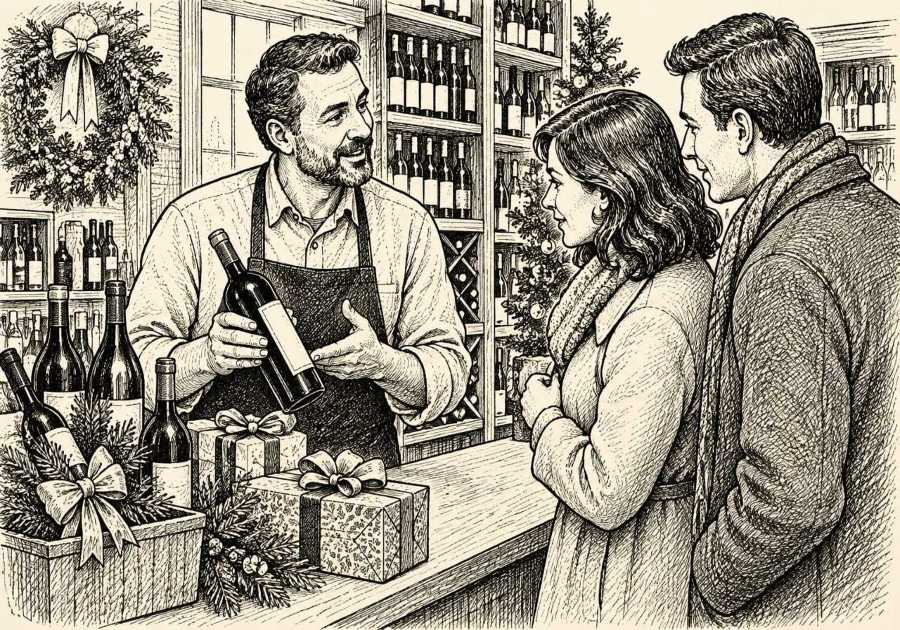
The Wine Engine's response to this is a recommendation tool called GrapevineAI, which Ovenden said helps customers find wines based on their individual tastes, including wines they might not have otherwise considered. He said the goal is not to replace wine expertise but to make that expertise easier to access and use.
Ovenden said many wine drinkers already know what they like but struggle to explain why, or to figure out what else to try. He gave examples: a customer who enjoys fresh, mineral white wines but has not explored a certain region, or someone who likes a full-bodied Italian red and wants something with similar qualities from elsewhere. Personalized recommendations, he said, can turn buying wine into a process of discovery rather than a simple purchase.
He reported that The Wine Engine's AI Sommelier tool has generated more than 1,000 personalized recommendations so far, and that these recommendations now directly influence 24% of repeat purchases.
Ovenden also pointed to the company's subscription service as an example of the same approach. He said customers can customize their selections and control what they receive, rather than getting the same wines repeatedly. He described this as reflecting a broader pattern among apps and subscriptions that learn from users, adapt to them and make recommendations over time.
In Ovenden's view, the decline in overall wine consumption makes competing on volume alone less effective for retailers. He said the better opportunity lies in building relationships with consumers by helping them make choices they are confident in. Premiumization is part of that shift, he wrote, but so is the desire of consumers who drink less often to be sure that the bottle they do open is worth it.
Ovenden said AI can spot patterns in consumer preferences and behavior, while human wine expertise supplies context and judgment. Combined, he said, the two can make a category that many find intimidating easier to navigate. He wrote that the future of wine retail is not about reducing choice but making that choice smarter, with retailers that understand individual tastes positioned to succeed as the market moves from selling bottles to building relationships.
The article did not specify further steps or developments expected at The Wine Engine beyond the trends described. A staff reporter for this site continues to track developments in the food and beverage sector as they are announced, aiming to bring readers accurate information while it remains relevant.